Health & Wellness
Record changes in behaviour, breathing, posture, appetite, drinking, weight, or droppings without diagnosing the cause. Health concerns and toxin exposure route promptly to an avian veterinarian, with no dosing advice.
Health & Wellness
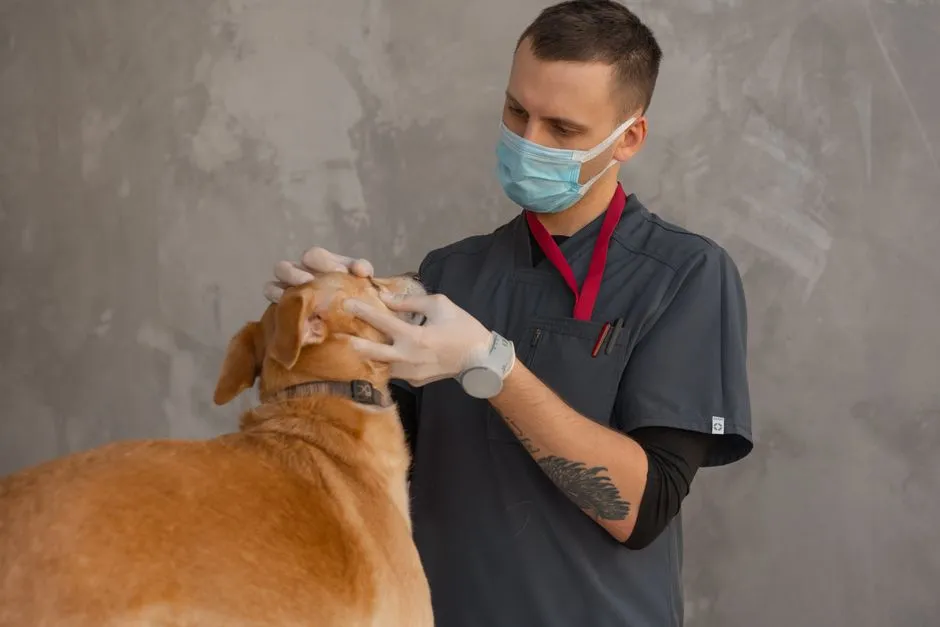
How Often Should a Parrot See a Vet? Preventive Care Explained
Most avian vets recommend a wellness exam once a year for a healthy adult parrot.
Health & Wellness
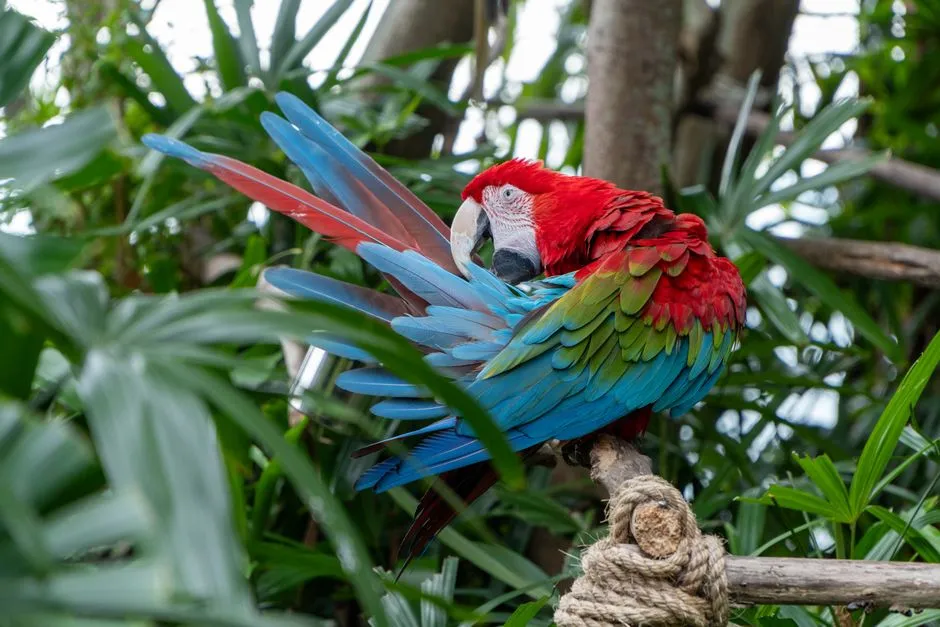
Parrot Feather Plucking: Causes and What Actually Helps
Parrots pluck their feathers because something is wrong medically, environmentally, or emotionally, and pulling feathers is how an intelligent, sensitive…
Health & Wellness
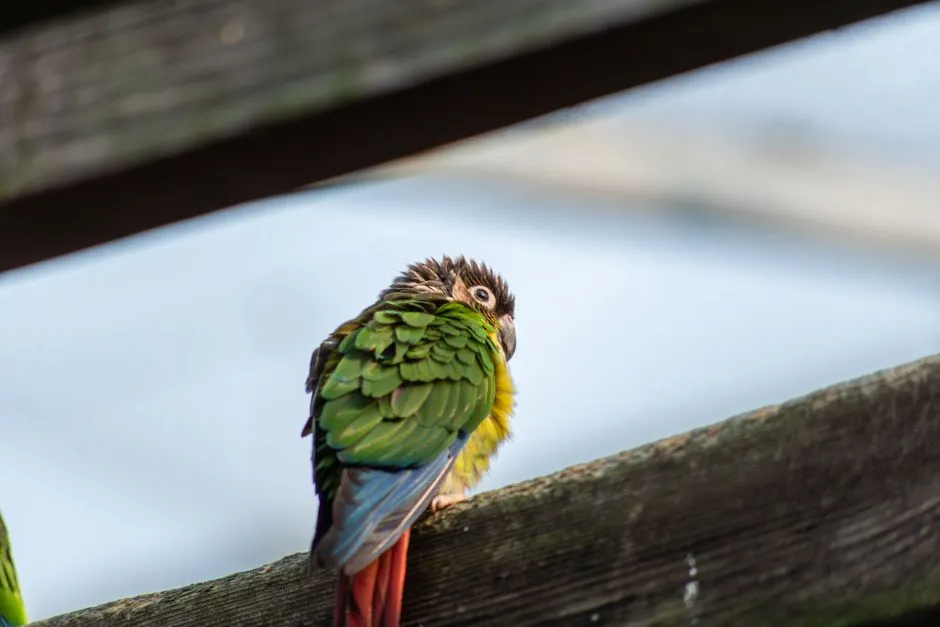
Signs of a Sick Parrot: Early Warning Symptoms You Shouldn't Ignore
The most common signs of a sick parrot are a fluffed, quiet posture; sitting on the cage floor; tail-bobbing or labored breathing; appetite or weight…
Health & Wellness
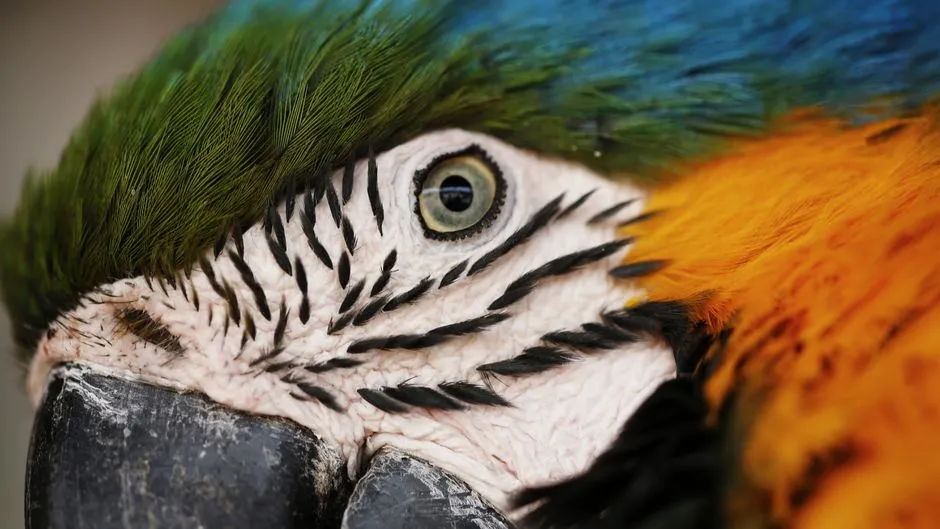
Why Is My Parrot Losing Feathers? Molting vs a Real Problem
A parrot losing feathers is usually either a normal molt or a health problem.
Growing in this section
- Reading Parrot Droppings: A Color-by-Color Guide
- Building a Bird First-Aid Kit and Emergency Plan