Behavior & Training
Observe context and body language before labelling behaviour. Use short, voluntary, reward-based routines, avoid punishment or forced contact, and route feather or sudden behaviour changes through an avian health check.
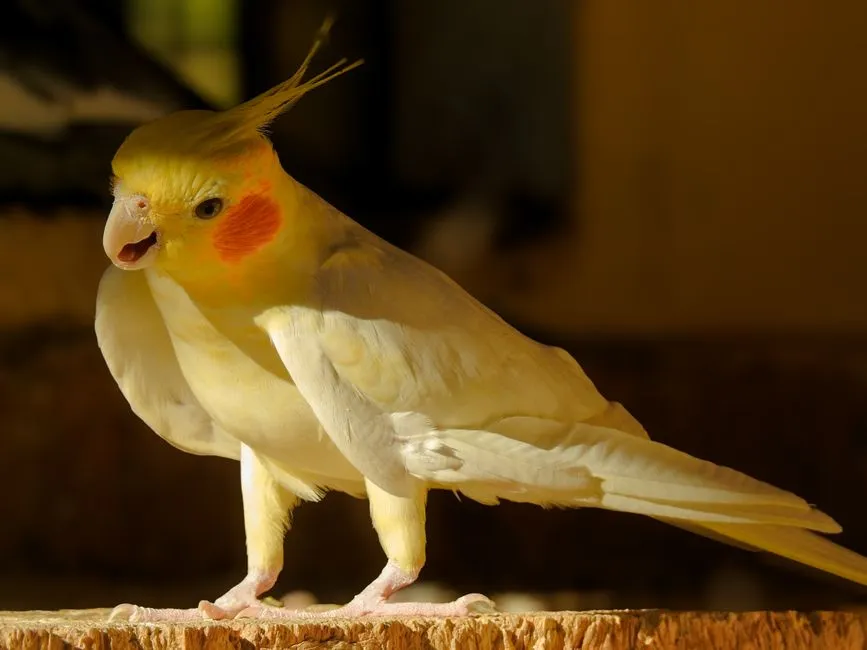
How to Stop a Parrot from Biting: A Calm, Proven Approach
To stop a parrot from biting, change the pattern instead of punishing the bite.
How to Target Train a Parrot: A Gentle 7-Step Plan
To target train a parrot, present a distinct smooth stick far enough away that the bird stays relaxed.
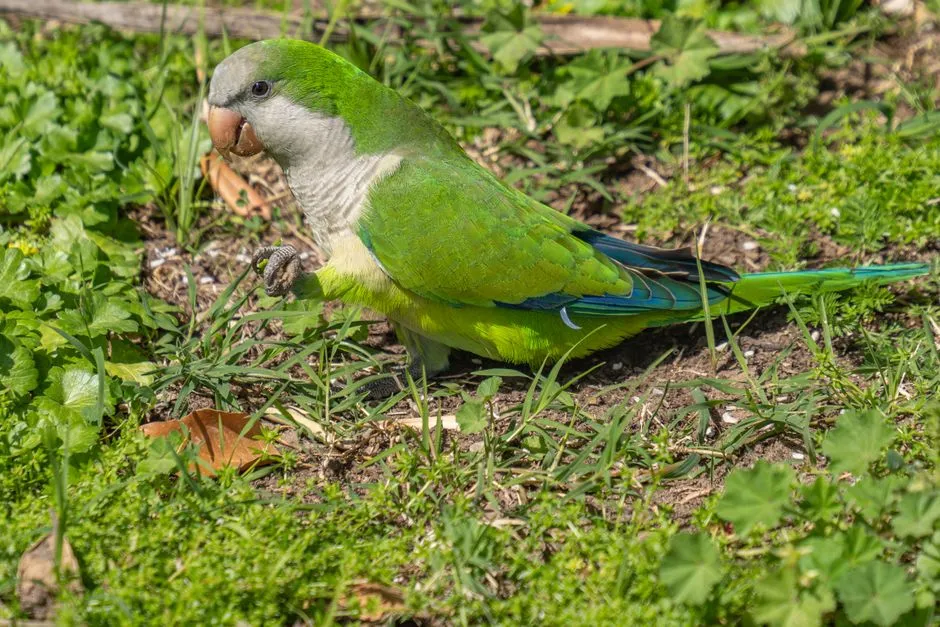
How to Teach a Parrot to Talk: Steps That Actually Work
To teach a parrot to talk, pair one short, upbeat word with the moment it matters ('hello' when you enter, 'up' when you offer your hand), repeat it in…
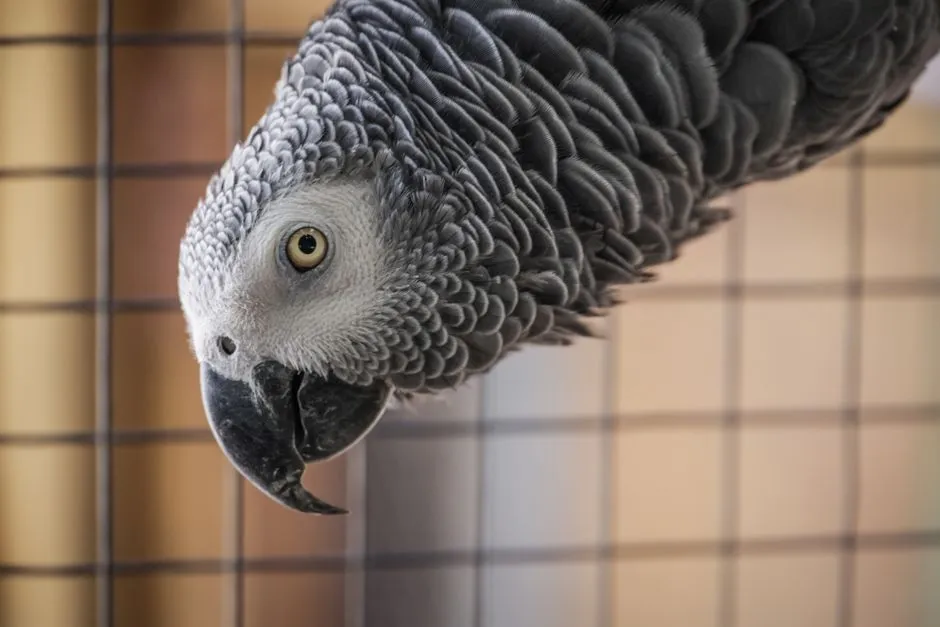
Indoor Recall Training for Parrots
Teach indoor recall in a closed, parrot-proofed room. Begin with two stable, familiar stations a step apart, say one cue, and mark and reward voluntary…
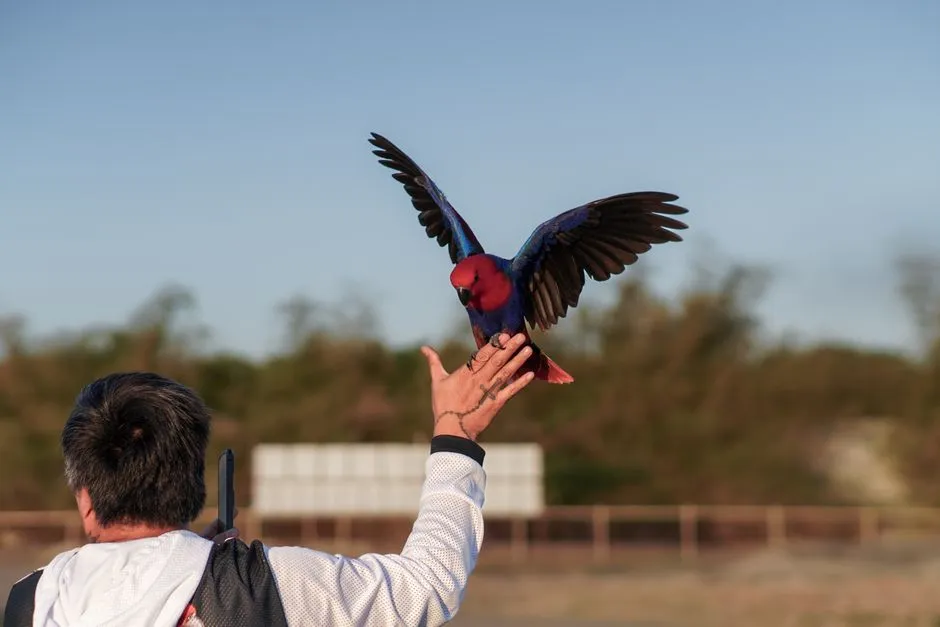
Parrot Body Language: How to Read What Your Bird Is Telling You
Read parrot body language by looking at the whole bird at once, not one feature.
Parrot Foraging Toys: Choose, Introduce, Inspect
Choose a parrot foraging toy by the individual bird's size, beak strength, experience and normal food.
How to Station Train a Parrot
Choose one stable, familiar perch as the station. Mark and reward the parrot for looking at it, leaning toward it, touching it, and then placing both feet…
How to Teach a Parrot to Step Up by Choice
Teach a parrot to step up by rewarding voluntary progress: calm attention to the offered hand or perch, a lean, one foot, then both feet.
Why Does My Parrot Scream (and How to Reduce It)?
Parrots scream because it works: loud calls keep a wild flock connected, mark dawn and dusk, and warn of danger, so pet birds use them to reach you,…
- Target Training Your Parrot: A Step-by-Step Starter Plan
- Flight Recall Basics: Teaching a Reliable Come Cue