How to Stop a Parrot from Biting: A Calm, Proven Approach
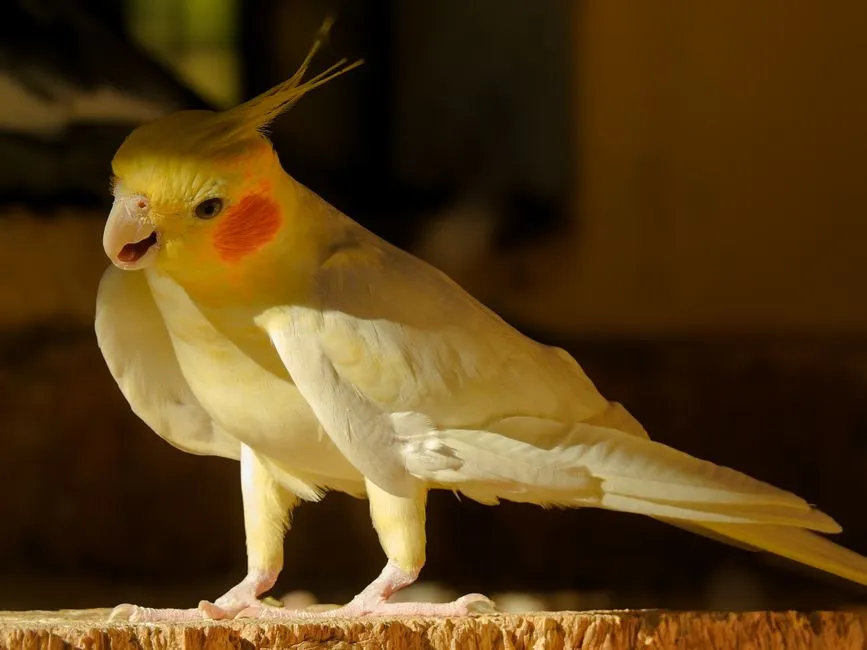
How to Stop a Parrot from Biting
To stop a parrot from biting, you have to change the pattern, not punish the bite. Watch for the warning signs your bird gives before it lashes out, stop putting your hand where it will get bitten, and reward the calm, willing behavior you want instead. Biting is communication, not malice: a parrot bites because something in the moment feels threatening, overstimulating, or frustrating, and it has learned that biting makes that thing stop. Take away the reason to bite and give a better way to say "no," and the biting fades. Most owners see a real drop within a few weeks of consistent handling, though a deeply distrustful or hormonal bird can take months.
The instinct to yell, flick the beak, or "drop" the bird almost always backfires. Punishment teaches a parrot that hands are unpredictable and scary, which produces more biting, not less. The calm, evidence-based approach below is slower to start but far more durable.
Why Parrots Bite in the First Place
There is no single "biting problem." There are several very different reasons a parrot bites, and the fix depends entirely on which one you are dealing with. Guessing wrong is why so much generic advice fails.
- Fear or self-defense. The most common cause. A hand comes too fast, from above, or before the bird is ready, and it defends itself. Newly rehomed and under-socialized birds bite mostly out of fear.
- Overstimulation and hormones. An excited or hormonal bird bites over threshold. Beak pressure that starts as gentle "beaking" escalates when the bird gets wound up, especially during breeding season.
- Territorial defense. Many parrots guard the cage, a favorite person, or a nesting spot fiercely. Reaching into "their" space triggers a warning bite.
- Attention or "it works" learning. If biting reliably gets a big reaction, ends an unwanted interaction, or earns a return to the cage, the bird learns biting is an effective tool.
- Displaced frustration or fear. A bird startled by the dog may bite the nearest hand. This is redirected, not personal.
- Pain or illness. A normally gentle bird that suddenly starts biting may be hurting. Sudden behavior changes warrant a check for early signs of illness and, if anything looks off, an avian vet visit.
"Beaking" is not biting
Baby and young parrots explore with their beaks the way toddlers use their hands. A bird gently mouthing your finger, testing a perch, or steadying itself as it steps is beaking, not aggression. Punishing exploratory beaking teaches a young bird that beaks and hands are a bad combination and can create a biting problem. Let gentle beaking happen; only respond to actual pressure.
Read the Warning Signs Before the Bite
Almost every bite is telegraphed. Parrots would much rather warn you than fight, and learning their signals is the single highest-value skill for stopping bites, because you can withdraw before the beak closes. When you consistently respect the warning, the bird learns it does not need to escalate to biting to be heard.
Common pre-bite signals to watch for:
| Signal | What it usually means |
|---|---|
| Pinning/flashing eyes (pupils rapidly shrinking and dilating) | High arousal — excitement or aggression |
| Flattened, slicked-down feathers | Fear, tension, "back off" |
| Raised nape or crest feathers | Alarm or agitation |
| Leaning away, backing up, tail fanned | Wants distance; feels cornered |
| Beak open, tongue clicking, a sharp lunge-feint | Explicit warning strike |
| Fluffed then sudden freeze | Overstimulated, near threshold |
Context matters as much as the individual signal, so learn your own bird's baseline. Our full guide to reading parrot body language breaks these cues down species by species. The rule of thumb: if the bird looks tense, stop advancing and give it space. Every time you push through a warning and get bitten, you teach the bird that warnings do not work and biting does.
The Core Method: Prevent, Redirect, Reward
Stopping biting rests on three moves done consistently. None of them involves punishment.
1. Prevent the bite from happening
Every bite a bird gets to perform is a bite it practices and reinforces. Your first job is to stop setting up situations where a bite is likely.
- Read the bird and don't ask when it's saying no. If the body language is tense, wait. Approach when the bird is relaxed.
- Use "up" the right way. Present your hand or a hand-held perch low and steady, press gently against the belly just above the legs, and give a clear, calm "step up" cue. Never grab, chase, or corner.
- Move slowly and from the side, not above. Hands descending from overhead mimic a predator and trigger defensive bites.
- Respect the cage. For a cage-territorial bird, let it step out onto the door or top on its own before you ask for a step-up, rather than reaching into the interior.
- Watch your timing. Avoid handling during obvious overstimulation, and be extra patient during hormonal spring months.
2. Redirect instead of reacting
When a bird goes for a bite or bites down, big reactions feed the behavior. The goal is to be as boring and neutral as possible while calmly removing the target.
- Stay calm and quiet. No yelling, no dramatic "ow," no fast jerks. A loud reaction can be exciting and rewarding, or frightening — both make biting worse.
- The "earthquake." If a bird bites while on your hand, gently and slowly tip or wobble your hand so the perch becomes momentarily unstable. The bird has to let go to rebalance. It is not a punishment; it simply makes biting an ineffective way to hold on.
- Set the bird down, don't fling it. Calmly return it to a perch or cage without fuss. You are ending the interaction, not punishing.
- Give the beak a better job. Offer a foot toy or foraging item so an excited, beaky bird has an appropriate outlet.
3. Reward the behavior you want
This is the half most people skip, and it is what makes the change stick. Positive reinforcement — usually a small favorite treat — tells the bird exactly which choices pay off.
- Reward calm. When the bird steps up nicely, stays relaxed on your hand, or chooses not to bite when it might have, mark it and treat immediately.
- Find the currency. A sunflower seed, a bit of nut, or a piece of favorite fruit works well precisely because it is rare in the rest of the diet.
- Keep sessions short. A few minutes several times a day beats one long session. End while the bird is still enjoying it.
- Build trust away from hands. Target training (touching a stick with the beak for a reward) teaches cooperation and gives you a way to move the bird around without using your hand as the target — a huge help for biters.
A Simple Step-Up Retraining Routine
If step-ups have become a battle, rebuild them from scratch on neutral ground:
- Move to a neutral room away from the cage, where the bird is less territorial.
- Start with distance. Reward any calm, non-fearful behavior near your hand. Do not ask for a step-up yet.
- Present a stick perch, not fingers, if hands are the trigger. Reward the bird for stepping on.
- Add the cue. Once stepping on is easy, pair it with a calm "step up."
- Progress to your hand only when the bird is relaxed and eager with the perch. Keep every rep positive and short.
- Quit while ahead. End on a success, before the bird tires or gets frustrated.
What Not to Do
Some popular "fixes" reliably make biting worse:
- Don't hit, flick the beak, or blow in the face. These break trust and increase fear-biting.
- Don't "laddering" a stressed bird (forcing rapid repeated step-ups as discipline). It escalates arousal.
- Don't grab, chase, or towel a bird for handling except for genuine medical need — it teaches hands are threats.
- Don't yell "no!" Loud drama is often the exact attention the bird is after.
- Don't cover the cage or lock the bird away as punishment. Parrots don't connect delayed consequences to the bite, and isolation damages the relationship.
- Don't drop or fling the bird off your hand. It's dangerous and terrifying.
Special Situations
The one-person or hormonal biter
Parrots that bond intensely to one person often bite everyone else, and a bird in breeding condition may bite even its favorite. During hormonal periods, keep handling low-key, avoid petting anywhere but the head and neck (petting the back and under the wings can stimulate hormones), keep the bird on a consistent light schedule, and lower the temperature of interactions until the season passes.
The cage-aggressive biter
If your bird is sweet off the cage but bites at the door, do all handling away from the cage. Let it come out on its own, ask for step-ups only once it is on neutral territory, and never reach into the cage to force the issue.
Biting plus screaming or plucking
Biting rarely travels alone. A frustrated, under-enriched, or stressed parrot often also screams or over-preens. If that's your bird, treat the whole picture — more foraging, a predictable routine, and enough sleep. See our guides on why parrots scream and how to reduce it and on building a calm relationship through bonding with a new parrot.
How Long Does It Take?
Expect gradual progress, not an overnight cure. A well-socialized pet bird that started biting because of a specific trigger can improve within a week or two once you fix the trigger and stop reinforcing the bite. A fearful rescue, a hormonal adult, or a bird with years of practiced biting may take one to several months of patient, consistent handling. The trajectory matters more than the pace: if bites are getting less frequent and less hard, and the bird is giving warnings you can respect, you are on the right path.
Two final checks. First, rule out pain — a sudden onset of biting in a previously gentle bird deserves an avian vet exam, since parrots hide illness and may snap when they hurt. Second, be honest about consistency. The single biggest reason biting persists is a household that rewards it by accident: one person yells, another pulls away, a third hands over a treat to "calm the bird down" right after a bite. Get everyone using the same calm, prevent-redirect-reward approach, and most parrots come around.