How to Bond with a New Parrot: Building Trust Step by Step
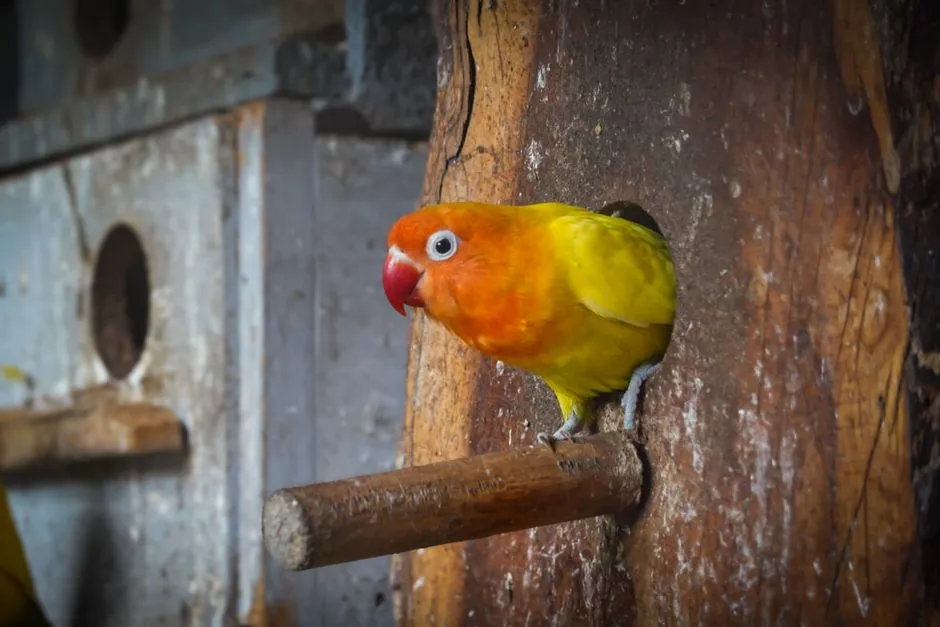
- How to Bond with a New Parrot
- Start with a Decompression Period
- Let the Bird Set the Pace
- Build Positive Associations with Food
- Talk, Sing, and Just Be Present
- Teach Step-Up Gently
- Respect the Cage as Safe Territory
- How Long Does Bonding Take?
- Common Bonding Mistakes to Avoid
- When to Involve a Vet
- The Bottom Line
How to Bond with a New Parrot
Bonding with a new parrot is a slow, trust-building process, not a single event. The reliable path is the same for almost every bird: give it a quiet decompression period of several days to a couple of weeks, keep your body language calm and predictable, let the bird set the pace of contact, and pair your presence with good things like favorite foods and gentle talking. Rushing this — reaching in, grabbing, or forcing handling too soon — is the single most common reason a bird stays fearful for months. Move at your parrot's speed and trust compounds surprisingly fast.
Below is a step-by-step approach you can follow from the day your bird comes home through the first few months, plus realistic timelines and troubleshooting for a bird that seems stuck.
Start with a Decompression Period
A new parrot has just lost everything familiar — its cage, its people, its routine, sometimes its flock. Even a hand-raised, "tame" bird is often frightened for the first stretch in a new home. Before any bonding work begins, give your parrot space to feel safe.
For roughly the first 3 to 7 days (sometimes up to two weeks for a nervous or rehomed bird), your only jobs are:
- Let the bird settle in its cage without reaching in or handling it.
- Keep the household calm: normal daytime activity is fine, but avoid crowding the cage or staring directly at it.
- Change food and water and do quick cage chores with slow, unhurried movements.
- Make sure it is eating, drinking, and producing normal droppings.
This "do less" phase feels counterintuitive when you are excited about a new companion, but it is where trust actually begins. A bird that learns your presence is safe and predictable will open up far faster than one that has been pushed. If you are still setting up the basics, our guide to bringing home your first parrot walks through the whole first month.
Watch for stress and illness
During decompression, keep an eye out for signs that go beyond normal nervousness. A fluffed, puffed-up posture that stays all day, tail-bobbing with each breath, labored breathing, loss of appetite, sitting on the cage floor, or noticeable changes in droppings are not shyness — they can signal illness, and birds hide sickness until they are seriously unwell. If you see these, contact an avian or exotics vet promptly. Bonding can wait; a sick bird cannot.
Let the Bird Set the Pace
The core principle of parrot bonding is choice. A parrot that feels it can retreat will choose to approach; a parrot that feels cornered will bite or panic. Every interaction should leave the bird an easy exit.
Practical ways to hand your parrot control:
- Approach from the side, not head-on. Predators come straight at prey. Angle your body and avoid looming over the cage.
- Move slowly and narrate. Talk in a soft, steady voice so you are never a surprise.
- Blink slowly and look away sometimes. A hard, fixed stare reads as threatening.
- Never grab. Grabbing to "make" a bird step up destroys trust and teaches your parrot that hands are dangerous.
Learning to read what your bird is telling you makes all of this easier. Pinned eyes, a raised crest, or feathers slicked tight are signals to give space; relaxed feathers, a gentle beak grind, and leaning toward you are green lights. Our guide to parrot body language covers these cues in detail.
Build Positive Associations with Food
Food is the fastest, safest bridge to a nervous parrot. When you consistently become the source of the best things in your bird's day, your presence starts to mean good news.
Find the high-value treat
Figure out your parrot's favorite item — for many birds it is a piece of millet spray, a sunflower or safflower seed, a sliver of walnut or almond, or a bit of a favorite fruit or vegetable. Reserve this treat only for bonding so it stays special. Keep such treats to small amounts so they do not unbalance the diet; the bulk of nutrition should still come from pellets and fresh foods.
A simple progression that works for most birds:
| Stage | What you do | Roughly when |
|---|---|---|
| 1. Presence | Sit near the cage, talk softly, drop a treat in the bowl and leave | Days 1–7 |
| 2. Treat through the bars | Offer the treat from your fingers through the cage bars | Week 1–2 |
| 3. Treat inside the cage | Open the door, offer the treat on your flat palm inside | Week 2–4 |
| 4. Step-up for a treat | Bird steps onto your hand or a perch to reach the treat | Week 3+ |
| 5. Out-of-cage time | Bird chooses to come out and hang out near you | Week 4+ |
These timelines are rough averages. A confident, hand-raised budgie or cockatiel may reach step-up in days; a rehomed or wild-caught bird might take months. Both are normal. Let progress, not the calendar, tell you when to advance.
Never punish a bite
If your bird bites, do not yell, shake your hand, or "beak-flick." Punishment teaches a parrot that hands are unpredictable and dangerous, which makes biting worse. Instead, learn to spot the warning signs that come before a bite and back off earlier. Our full guide on how to stop a parrot from biting breaks this down.
Talk, Sing, and Just Be Present
Parrots are intensely social flock animals. Simple togetherness — no training, no agenda — is powerful bonding. Read aloud near the cage, narrate what you are doing while you cook or work, sing, or let the bird sit with you while you watch TV. This "passive" hangout time teaches your parrot that being around you is relaxing and rewarding.
Consistency matters more than duration. Several short, calm sessions a day beat one long, intense one. Two or three 10–15 minute visits where you talk and offer a treat will build trust faster than an hour of trying to force handling.
Teach Step-Up Gently
Once your bird takes treats from your hand comfortably, you can introduce step-up — the foundation skill for a cooperative relationship.
- With the bird calm, present a finger or a hand-held perch just above its feet, against the lower belly.
- Say a simple, consistent cue like "step up."
- Reward the moment the bird shifts weight toward you or lifts a foot — do not wait for perfection.
- Keep sessions to a few minutes and end on a success.
If the bird leans away, pins its eyes, or lifts a foot defensively, you are moving too fast. Back up to the previous step and rebuild. Forcing a step-up now can cost you weeks of progress.
Respect the Cage as Safe Territory
Many parrots are more defensive inside the cage, which they view as home base. Early on, do bonding at or just outside the cage door rather than reaching deep inside. Some birds warm up faster on a neutral play stand away from the cage, where they feel less territorial. If your bird is calm out of the cage but bitey inside it, that is normal — respect the boundary and let approaches happen in neutral space.
How Long Does Bonding Take?
There is no universal number, and anyone who promises one is guessing. Bonding depends on the bird's history, species, and temperament far more than on any technique.
| Bird's background | Typical trust-building time |
|---|---|
| Young, hand-raised, well-socialized | Days to a few weeks |
| Adult, previously handled, rehomed | Several weeks to a few months |
| Fearful, neglected, or wild-caught | Many months to a year or more |
Larger, long-lived species like African greys, cockatoos, and macaws often bond more slowly and deeply than smaller birds; a shy budgie or cockatiel can still take weeks. The goal is not speed — it is a bird that genuinely chooses your company. Measure progress in small wins: the first treat taken from your fingers, the first relaxed feather-fluff in your presence, the first voluntary step-up.
Common Bonding Mistakes to Avoid
- Rushing the decompression period. The most common error. Give it a full week or more before any handling.
- Reaching in and grabbing. Forced handling teaches fear and biting.
- Punishing bites or screams. It backfires; address the cause instead.
- Inconsistency. Skipping days or letting sessions become chaotic slows trust.
- Too much, too fast. Long, intense sessions overwhelm a nervous bird. Keep them short and positive.
- Ignoring body language. Pushing past clear "back off" signals undoes progress.
When to Involve a Vet
Bonding is behavioral, but a bird that suddenly stops interacting, refuses food, sits fluffed and quiet, or shows any physical symptom may be unwell rather than antisocial. Because parrots mask illness, a sudden behavior change is worth a call to your avian vet. A wellness exam early in your relationship also gives you a baseline and rules out pain or disease that could masquerade as a bonding problem.
The Bottom Line
Bonding with a new parrot rewards patience above all. Give the bird room to decompress, let it choose every step of contact, pair your presence with favorite treats and gentle conversation, and never force handling. Progress is rarely linear — expect good days and setbacks — but a bird that learns you are safe and predictable will, in its own time, come to seek you out. That earned trust is the whole foundation of life with a parrot, and it is worth every slow, quiet session it takes to build.
This article is general educational information about parrot care, not veterinary advice. For any health or behavior concern, consult a licensed avian or exotics veterinarian who can examine your bird.