Why Does My Parrot Scream (and How to Reduce It)?
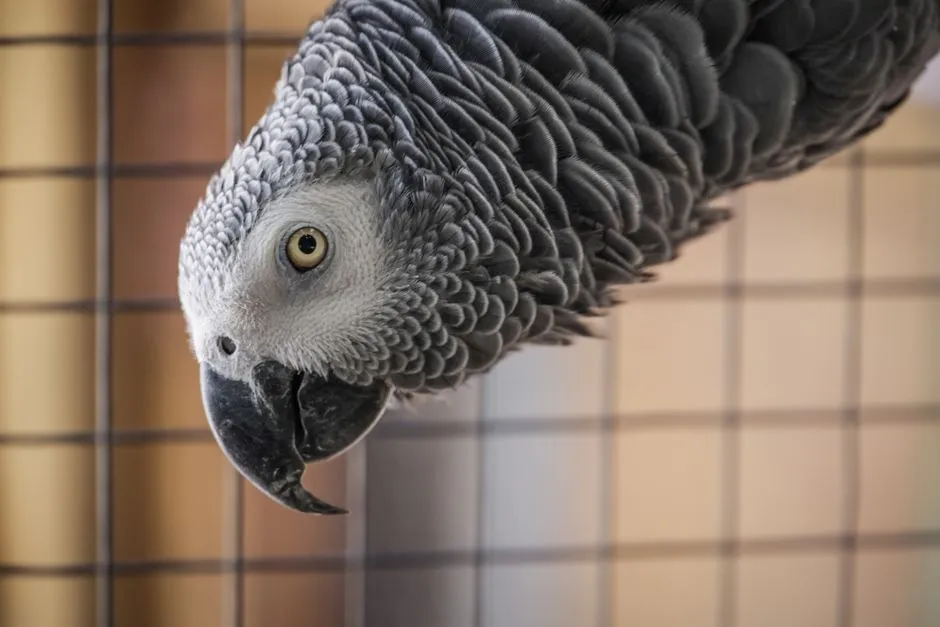
Why Your Parrot Screams (and What the Noise Is Actually Telling You)
Parrots scream because it works. In the wild, loud contact calls keep a flock connected across the canopy, warn of danger, and mark the boundaries of the day at sunrise and sunset. A pet parrot that screams is usually doing one of a handful of normal-but-loud things: calling to "the flock" (you), releasing pent-up energy, reacting to something startling, or — most often in problem cases — repeating a behavior that has been accidentally rewarded. The good news is that screaming is one of the most fixable parrot behaviors, because it is driven by consequences you control. The bad news is that the most common owner reaction, running over to the cage, is exactly what turns a normal call into an all-day habit.
Before you try to reduce any screaming, it helps to separate the kinds you should never try to eliminate from the kind you can genuinely change.
Normal Screaming vs. Problem Screaming
Some vocalizing is hardwired and healthy. Trying to silence it entirely will only frustrate you and stress your bird.
Normal, expected noise includes:
- Dawn and dusk calls. Most parrots get loud for 10–30 minutes at sunrise and again in the evening. This is flock roll-call, and it is instinctive.
- Contact calls. Short bursts when you leave the room. Your bird is asking, "Where are you? Are you okay?"
- Happy noise and play. Chattering, singing, whistling, and the occasional excited shriek during play or when a favorite person comes home.
- Startle alarms. A sudden loud call at a hawk-shaped shadow, a dropped pan, or a stranger at the door.
Problem screaming is different. It is persistent, escalating, and usually tied to a specific trigger and payoff: the bird screams for minutes on end, gets louder when ignored, and reliably produces a reaction from you. This is the type that responds to training. As a rule of thumb, if the noise has a clear on-off switch that involves your attention, it can be reduced.
| Feature | Normal screaming | Problem screaming |
|---|---|---|
| Timing | Dawn, dusk, brief contact | Any time, often for long stretches |
| Duration | Seconds to a few minutes | Many minutes, escalating |
| What ends it | Runs its course naturally | Getting what the bird wants |
| Owner's role | None needed | Attention accidentally rewards it |
| Goal | Manage and accept | Reduce through consistency |
The Real Reasons Parrots Scream
1. Attention (the big one)
This is the number-one cause of chronic screaming. The pattern forms fast: bird screams, you rush over to quiet it, bird learns that screaming makes the human appear. From the parrot's point of view, screaming just worked. Crucially, "attention" includes negative attention — yelling "quiet!", running over to scold, or even making eye contact and sighing all count as a payoff. To a social flock animal, a human reacting at all is often better than being ignored.
2. Boredom and under-stimulation
Parrots are extraordinarily intelligent and, in the wild, spend most of their waking hours foraging, flying, and socializing. A bird stuck in a bare cage with nothing to do will invent activities, and screaming is an easy one. Chronic boredom also feeds other issues; the same unmet needs that drive noise can drive feather plucking and destructive behavior.
3. Separation and isolation
Parrots are flock animals and are not built to be alone. A bird placed in a back room, or one that suddenly loses its person's company, will scream to reunite the flock. Cages positioned away from family activity often produce more contact-calling, not less.
4. Fear, startle, and environmental triggers
New objects, predators outside the window, loud appliances, or a change in the room can all set off alarm calls. If your normally quiet bird suddenly starts screaming, always rule out a scare or an environmental change first.
5. Hormones and season
During breeding season, many parrots become louder, more territorial, and more emotionally intense. This is temporary but real, and it often coincides with longer daylight hours.
6. Illness or pain
Less common, but the one you must never skip. A parrot that changes its vocal pattern — screaming when it was quiet, or a change in the sound of its voice — could be in distress. Because birds hide illness until they are seriously unwell, pair any sudden vocal change with a look for other warning signs: a fluffed or puffed-up posture, tail-bobbing, labored breathing, appetite loss, changes in droppings, lethargy, or sitting on the cage floor. If you see any of these, treat it as a reason to call an avian or exotics vet promptly rather than a training problem.
How to Reduce Screaming (Step by Step)
Reducing screaming is less about stopping a sound and more about changing what the sound produces. The approach is behavioral, patient, and — done consistently — genuinely effective.
Step 1: Rule out physical and environmental causes first
Before you treat screaming as a behavior problem, confirm your bird is healthy, well-fed, well-rested (10–12 hours of dark, quiet sleep), and not reacting to a fear trigger. Never use a training method to power through a bird that might actually be sick. When in doubt, an avian vet visit comes first.
Step 2: Find and remove the payoff
Watch honestly for a day or two: what happens right after your bird screams? If the answer is "I come into the room," "I talk to it," or "I cover the cage," you have found the reward. The core fix is to stop delivering attention on the heels of a scream. This is hard, because ignoring escalating noise is genuinely unpleasant — and because of the next trap.
Step 3: Expect an extinction burst
When you stop rewarding a behavior, it almost always gets worse before it gets better. The bird screams louder and longer, testing whether the old strategy still works. This extinction burst is the single most common reason owners fail: they hold out for two days, cave on day three, and accidentally teach the bird that longer, louder screaming is what pays off. If you commit to ignoring attention-screaming, you must ride out the burst. Caving is worse than never having started.
Step 4: Reward the quiet, and reward the right sound
Ignoring bad noise only works when it is paired with rewarding good behavior. Actively reinforce the moments your bird is calm, playing quietly, or making a pleasant sound. The moment there is a gap in the screaming, return, praise, and give attention. You can also teach an acceptable "contact call" — a soft whistle or a specific word — and answer that call reliably while ignoring the scream. Many owners have great success calling back a gentle whistle so the bird learns it can reach you without shrieking.
Step 5: Enrich the environment and burn energy
A tired, busy parrot is a quieter parrot. Build in foraging toys that make the bird work for food, rotate toys to keep them novel, and give daily out-of-cage time and interaction. Foraging is especially powerful because it replaces empty hours with an instinctive job.
Step 6: Give scheduled, predictable attention
Parrots do better with a routine. If your bird gets reliable one-on-one time every day, it has less reason to scream to summon you. Predictable attention on your schedule beats reactive attention on the bird's terms.
What Not to Do
Some instinctive reactions actively make screaming worse. Avoid these:
- Yelling back. To a parrot, a loud human joining in reads as the flock screaming together — great fun, and a reward. It also models more noise.
- Running over every time. This is the exact mechanism that builds attention-screaming.
- Covering the cage as punishment. Sudden darkness can frighten a bird and disrupt sleep; using it reactively confuses the message.
- Punishment of any kind. Grabbing, spraying water, or "beaking" a bird damages trust and tends to create fear, biting, and more screaming. Positive reinforcement outperforms punishment across parrot behavior, from noise to biting.
- Inconsistency. Ignoring the scream on Monday and caving on Tuesday teaches persistence. Everyone in the household must respond the same way.
Setting Realistic Expectations
You will not, and should not, get a silent parrot. Even a well-adjusted bird will greet the day loudly, call when you leave the room, and shriek with joy sometimes. The realistic goal is to eliminate the chronic, demand-driven screaming and to keep the normal flock noise at a level everyone can live with. Louder species — cockatoos, macaws, conures, and many Amazons — will always be louder than a budgie or cockatiel, and no amount of training changes a species' baseline volume. If constant noise is a dealbreaker, species choice matters more than training ever will.
Timelines vary. With consistent handling and no more accidental rewards, many owners see meaningful improvement within a few weeks, though a long-established habit can take longer. Learning to read your bird helps enormously; the more fluent you become in parrot body language, the earlier you can meet a need before it escalates into a scream.
When to Involve a Professional
Reach out for help if screaming is sudden and out of character, is paired with any physical warning signs, or persists despite weeks of consistent, correct handling. Start with an avian or exotics vet to rule out pain and illness, since a health problem can masquerade as a behavior problem. For stubborn behavioral cases, a qualified avian behavior consultant or a vet who works with birds can build a plan tailored to your specific parrot and household. Screaming is manageable — but it is worth getting a professional set of eyes on it rather than letting frustration erode the bond you are trying to build.