How Often Should a Parrot See a Vet? Preventive Care Explained
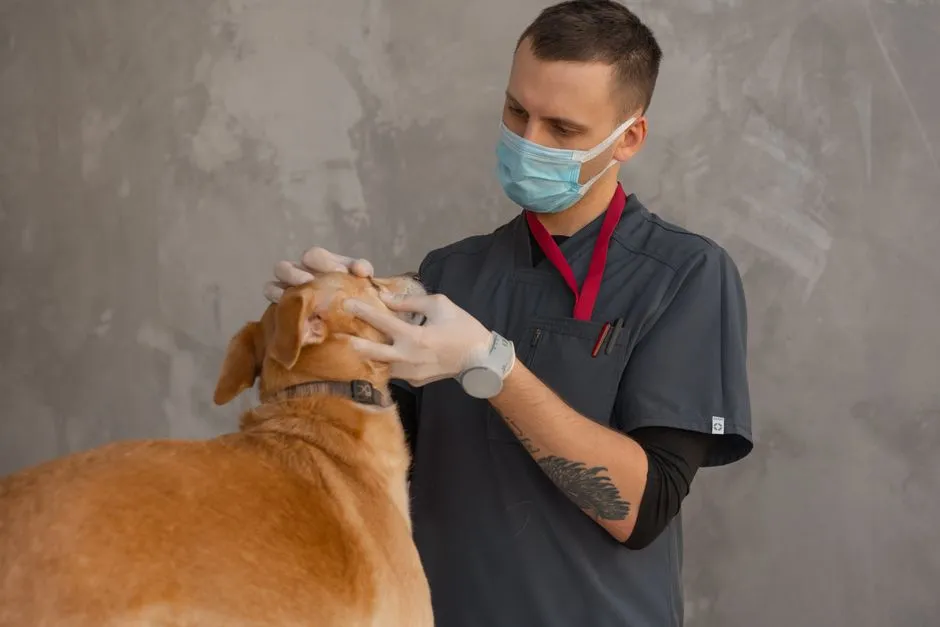
How Often Should a Parrot See a Vet?
For a healthy adult parrot, most avian veterinarians recommend a wellness exam once a year. Two groups need more: newly acquired birds should see an avian vet within the first week or two, and senior or chronically ill parrots often benefit from a checkup every six months. Because birds instinctively hide illness until they are seriously unwell, these routine visits exist to catch problems while they are still invisible to you at home. Any time your bird actually looks sick, the schedule no longer matters: you go now.
That last point is the one that saves lives. A parrot is a prey animal, and masking weakness is hardwired. By the time a bird looks obviously ill, it has often been declining for days or weeks. Preventive vet care is how you close that gap.
Do Parrots Really Need Vet Checkups?
Yes, and the reasons are specific to how birds work.
- They hide illness on purpose. In the wild, a bird that shows weakness gets picked off. Your parrot carries that instinct indoors, so subtle changes get masked until a problem is advanced.
- Diet-related disease is common and slow. Many pet birds are fed poorly for years before anything shows. A vet can catch early signs of obesity, fatty liver disease, or vitamin-A deficiency long before you would.
- A baseline is priceless. An annual exam gives your vet a record of your bird's normal weight, bloodwork, and behavior. When something goes wrong later, "normal for this bird" is what makes a fast diagnosis possible.
- Long-lived birds accumulate risk. Parrots can live for decades, and yearly monitoring across that lifespan matters. (See our guide to how long parrots live by species.)
Skipping checkups because your bird "seems fine" misunderstands the whole point. Seeming fine is exactly what a healthy-looking sick bird does.
Recommended Vet Visit Schedule
Use this as a general framework, then follow your own avian vet's advice for your individual bird.
| Situation | Recommended frequency | Why |
|---|---|---|
| New bird (just acquired) | Within 1-2 weeks | Confirm health, screen for disease, establish a baseline |
| Healthy adult | Once a year | Catch hidden problems early, track weight and bloodwork |
| Senior parrot | Every 6-12 months | Age raises risk of organ and metabolic disease |
| Chronic condition | Every 3-6 months (or as advised) | Monitor and adjust ongoing treatment |
| Breeding hens | Before and during season, as advised | Higher reproductive and calcium-related risk |
| Any illness sign | Immediately | Birds decline fast once symptoms show |
"Adult" and "senior" vary by species. A budgie or cockatiel is a senior years earlier than a macaw. Your vet will tell you where your bird sits on that curve.
What Happens During a Wellness Exam
Knowing what you are paying for makes the visit feel a lot more worthwhile. A typical avian wellness exam includes:
- A full physical. The vet weighs your bird in grams (a scale is one of the best home-monitoring tools you can own), checks body condition, feathers, feet, eyes, nostrils, and vent, and listens to the heart and air sacs.
- A history conversation. Diet, cage setup, behavior changes, droppings, and molt patterns all get reviewed. Come prepared with specifics.
- Baseline diagnostics, as needed. Depending on age and species, the vet may recommend bloodwork, a fecal test, or disease screening. For a first visit especially, baseline bloodwork is common.
- A beak, nail, and sometimes wing check. Overgrowth can signal underlying disease, not just cosmetic wear.
If your vet ever finds something concerning during a routine exam, that early catch is the entire return on the visit. Pair this with knowing the early warning signs of a sick parrot at home, and you cover both ends of prevention.
How Much Does an Avian Vet Cost?
Costs vary widely by region, clinic, species, and what diagnostics are run, and prices rise over time, so treat these as general ranges rather than quotes.
| Service | Typical range (USD) |
|---|---|
| Routine wellness exam | $50-$150 |
| Exam plus baseline bloodwork | $150-$350+ |
| Fecal or basic lab test | $20-$60 |
| Beak/nail grooming (with vet) | $20-$60 |
| Emergency or after-hours visit | $150-$500+ before treatment |
Two honest notes. First, avian and exotic vets often charge more than dog-and-cat clinics because the training is specialized and rarer. Second, the yearly wellness exam is almost always the cheapest line item you will ever pay in bird care, and the one most likely to prevent a far larger emergency bill. Factor annual vet care into your budget from the start; our full breakdown of what a parrot costs folds this into the real yearly total.
Ways to manage the cost
- Budget for it up front as a fixed yearly expense, not a surprise.
- Ask about exotic-pet insurance or wellness plans. Availability varies, but they exist.
- Do not skip the annual to save money. A missed early diagnosis is the most expensive mistake in bird ownership.
- Build a small emergency fund so an after-hours visit is never a reason to wait.
Finding a Qualified Avian Vet
Not every clinic can properly treat a bird. Look for a veterinarian who specifically sees avian or exotic patients, ideally one who is board-certified in avian practice or a member of an avian-veterinary association. General small-animal clinics may be excellent with dogs and cats and still lack the equipment or experience for a parrot.
Do this before you have an emergency:
- Search for an avian or exotics vet in your area and call to confirm they regularly see parrots.
- Ask about their emergency and after-hours options.
- Book the first wellness visit early so you are an established client if a crisis hits.
- Save the clinic's number and the nearest 24-hour exotic emergency hospital in your phone now.
A relationship with an avian vet is the single most useful thing you can set up before trouble starts.
How to Prepare for the Visit
A little prep turns a routine appointment into a genuinely useful one. Before you go:
- Transport safely. Use a small, secure carrier, keep the bird warm, and avoid drafts and direct sun in the car. A towel over part of the carrier can lower stress.
- Bring a fresh dropping sample if your vet asks for one, and note any recent changes in color or consistency.
- Write down specifics about diet, appetite, sleep, molt, and any behavior changes rather than trying to recall them on the spot.
- Note your bird's recent weight if you weigh at home. A trend line is far more useful than a single number.
- List your questions in advance so nothing gets forgotten while you are managing a stressed bird.
The more accurate your history, the more your vet can do in a single visit, which keeps both stress and cost down.
When to Skip the Schedule and Go Now
Routine timing is for healthy birds. The moment your parrot shows any sign of illness, forget the calendar and call your vet the same day. Warning signs that warrant prompt examination include:
- Fluffed or puffed-up posture for long stretches, especially with a quiet, withdrawn bird
- Tail-bobbing or any labored, open-mouthed breathing
- Sitting on the cage floor or an obvious drop in perching and activity
- Loss of appetite or noticeably reduced eating and drinking
- Changes in droppings in color, consistency, or volume
- Lethargy, wobbliness, or unusual sleepiness during the day
These are not "wait and see" symptoms. Birds can decline within hours, and a bird that finally looks sick is often much further along than it appears. When in doubt, call your avian vet, describe what you are seeing, and let a professional decide whether it is an emergency.
The Bottom Line
Book a wellness exam for a healthy adult parrot once a year, see a vet within a week or two of bringing home a new bird, and move to every six months for seniors or birds with ongoing health issues. Weigh your bird regularly at home, learn its normal, and never let cost or a "seems fine" appearance delay care when something looks off. Preventive visits are inexpensive insurance against the fast, hidden declines birds are famous for.
This is general educational information, not veterinary advice. It does not replace examination, diagnosis, or treatment by a licensed avian or exotics veterinarian. For any health concern, contact a qualified avian vet promptly, and never use online guidance to delay professional care in an emergency.