How Much Does a Parrot Cost? Upfront and Yearly Prices by Species
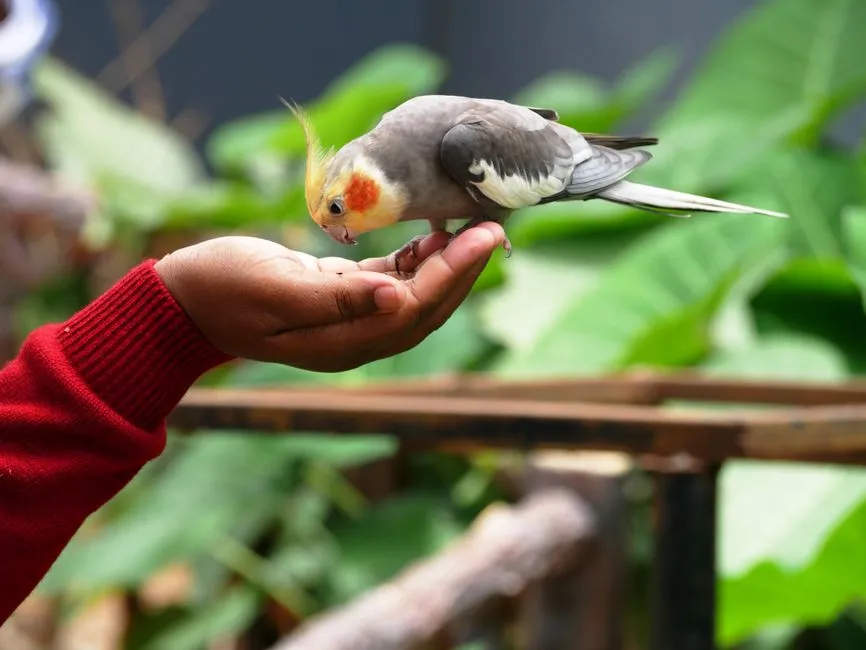
- How Much Does a Parrot Cost? The Real Numbers, Upfront and Yearly
- Quick Answer: Cost by Parrot Size
- Upfront Cost 1: The Bird Itself
- Upfront Cost 2: Cage and Setup
- Yearly Cost 1: Food
- Yearly Cost 2: Veterinary Care
- Yearly Cost 3: Toys, Enrichment, and Replacements
- What Makes Two Parrots of the Same Species Cost Different Amounts
- The Hidden Costs Most Owners Miss
- So What Should You Actually Budget?
How Much Does a Parrot Cost? The Real Numbers, Upfront and Yearly
A pet parrot costs anywhere from about $25 for a budgie to $3,000+ for a large macaw or cockatoo just to buy the bird, plus $250 to $1,200 in one-time setup for a cage and supplies and roughly $500 to $2,500 per year in ongoing food, vet, and enrichment costs. Small parrots like budgies and cockatiels are the most affordable to own; large parrots are a serious, decades-long financial commitment closer to owning a dog than a goldfish. The bird's purchase price is almost never the biggest expense - the cage, the annual vet care, and the years of food usually add up to far more.
Below is a realistic breakdown by species size, what drives each cost, and where new owners consistently underestimate the bill. All figures are typical U.S. ranges as of this writing; prices vary widely by region, breeder, rescue, and over time, so treat them as planning estimates rather than quotes.
Quick Answer: Cost by Parrot Size
Here is a snapshot of typical costs across the common size classes. "Setup" is one-time (cage, perches, starter supplies); "yearly" covers food, replacement toys, and routine vet care in an average year without a major illness.
| Size class | Example species | Purchase price | One-time setup | Typical yearly cost |
|---|---|---|---|---|
| Small | Budgie, parrotlet, lovebird | $25 - $150 | $150 - $400 | $300 - $700 |
| Small-medium | Cockatiel, parrotlet, small conure | $120 - $350 | $200 - $500 | $400 - $900 |
| Medium | Green-cheek conure, quaker, Senegal, Pionus | $250 - $700 | $300 - $700 | $500 - $1,200 |
| Large | African grey, Amazon, eclectus, small cockatoo | $800 - $2,500 | $500 - $1,000 | $800 - $1,800 |
| Extra-large | Large macaw, large cockatoo | $1,500 - $4,000+ | $700 - $1,500 | $1,000 - $2,500+ |
The pattern is consistent: as birds get bigger, every line item scales up - the cage costs more, the toys are more expensive and get destroyed faster, and vet bills for a large bird run higher than for a budgie.
Upfront Cost 1: The Bird Itself
Purchase price depends on species, source, age, hand-raising, and whether the bird talks or is proven tame.
- Small parrots ($25 - $350): Budgies (parakeets) are the cheapest true parrots, often $25 - $50 at a shop. Cockatiels, lovebirds, and parrotlets typically run $100 - $350. These are the standard starting points, and several appear in our list of the best parrots for beginners.
- Medium parrots ($250 - $700): Green-cheek conures, quaker parrots, Senegals, and Pionus fall here. Hand-raised, well-socialized youngsters cost more than parent-raised birds.
- Large parrots ($800 - $2,500): African greys and Amazons commonly land around $1,000 - $2,500. An African grey specifically is usually $1,200 - $2,000 depending on region and breeder.
- Macaws and large cockatoos ($1,500 - $4,000+): Large macaws are the priciest common pet parrots; rarer color mutations and species go higher still.
Adopting Can Cost Far Less
Parrot rescues and adoption groups rehome birds for adoption fees that are usually a fraction of breeder prices - often $50 - $400 even for large species, sometimes including a cage. Rescues are overflowing with surrendered parrots precisely because owners underestimated the long-term cost and commitment. Adoption is worth strongly considering, though rescued birds may come with behavioral or plucking histories that need patience.
Upfront Cost 2: Cage and Setup
This is the expense new owners most often underestimate. A cage appropriate for the species is non-negotiable, and bigger birds need dramatically bigger, sturdier cages.
| Setup item | Small bird | Medium bird | Large bird |
|---|---|---|---|
| Cage | $80 - $250 | $150 - $450 | $350 - $900 |
| Perches (varied diameters) | $15 - $50 | $25 - $70 | $40 - $120 |
| Starter toys | $20 - $60 | $30 - $90 | $50 - $150 |
| Food & water dishes | $10 - $30 | $15 - $40 | $20 - $60 |
| Travel carrier | $25 - $60 | $35 - $80 | $50 - $120 |
| First food & vet visit | $60 - $200 | $80 - $250 | $120 - $350 |
Buy the largest quality cage you can afford with correct bar spacing for the species - too-wide bars let small birds escape or get their heads stuck. For a full pre-arrival rundown, see our new parrot supplies checklist. Skipping a proper cage to save money almost always backfires in stress-related behavior problems later.
Yearly Cost 1: Food
Feeding a parrot well is not expensive relative to the vet bills, but it adds up over decades.
- Pellets: The base of a healthy diet. Expect roughly $100 - $400 per year depending on bird size, since a macaw eats far more than a budgie.
- Fresh produce: Vegetables, leafy greens, and some fruit add $150 - $500 per year. Much of this can come from what you already buy for your own kitchen.
- Occasional treats and foraging foods: Nuts, sprouted seeds, and healthy extras, maybe $50 - $150 per year.
A quality diet is one of the best investments you can make, because poor nutrition drives a large share of avian illness and its associated vet costs.
Yearly Cost 2: Veterinary Care
Budget for an avian or exotics vet, not a general small-animal clinic - avian medicine is a specialty and appointments cost more accordingly.
- Annual wellness exam: typically $50 - $150, sometimes more with bloodwork or fecal testing.
- Recommended baseline labs: periodic bloodwork or lab panels can add $100 - $300 when done.
- Emergency and illness visits: this is the wild card. A sick bird needing diagnostics, hospitalization, or a specialist can run hundreds to well over a thousand dollars in a single episode.
Birds instinctively hide illness until they are seriously unwell, so a bird showing fluffed posture, tail-bobbing, appetite loss, sitting on the cage floor, or changes in droppings needs prompt examination - waiting to save money often makes the eventual bill larger and the outcome worse. For how routine visits fit into a care plan, see how often a parrot should see a vet. Some owners buy exotic-pet insurance or set aside a dedicated emergency fund of $500 - $2,000 for large, long-lived species.
Yearly Cost 3: Toys, Enrichment, and Replacements
Parrots destroy toys - that is the point of a good toy. Chewing and foraging are essential mental enrichment, so worn-out toys are a recurring, not optional, expense.
- Small birds: roughly $60 - $200 per year in replacement toys and perches.
- Large birds: $200 - $600+ per year, because their toys are bigger, tougher, and demolished faster.
Cutting toy spending to save money tends to produce boredom-driven screaming and feather-destructive behavior, which then costs more in vet visits and stress. DIY foraging toys from bird-safe materials can meaningfully lower this line item.
What Makes Two Parrots of the Same Species Cost Different Amounts
Even within one species, prices swing a lot. Knowing why helps you judge whether a listing is fair.
- Source. Pet-store markups, private breeders, and rescues price very differently. A reputable breeder who hand-raises and health-screens birds usually charges more than a big-box store, but you often get a better-socialized, healthier bird.
- Hand-raised vs parent-raised. Hand-fed, well-handled youngsters typically command higher prices because they are easier to tame and bond with.
- Age. Weaned juveniles are priced differently than older or rehomed adults; a proven, gentle adult can actually be ideal for a first-time owner.
- Talking ability and color mutations. A bird already saying words, or a rarer color mutation, adds a premium that is more about novelty than care quality.
- Health documentation. Birds that come with recent vet checks or disease testing may cost more upfront but save you an expensive surprise later.
Be cautious with prices that look far below the going rate - unusually cheap large parrots can mean an unweaned baby, an undisclosed health or behavior problem, or an unethical seller. Ask about the bird's diet, health history, and why it is being sold.
The Hidden Costs Most Owners Miss
- Lifespan. Multiply every yearly figure by the bird's expected life. Small parrots live 10 - 20 years; many large parrots live 40 - 70+ years. A large parrot is quite literally a lifetime financial commitment, and a young adult may need to plan for the bird outliving them.
- Vet travel. Avian specialists are sparse; some owners drive hours for care.
- Boarding or bird-sitting. Vacations mean paying a sitter or specialized boarder, often $15 - $40 per day.
- Home damage. Chewed trim, furniture, and cords are a real (if uneven) cost with unclipped, out-of-cage birds.
- Diet upgrades and supplements, cage replacements over the years, and the occasional larger cage as you upgrade.
So What Should You Actually Budget?
As a rule of thumb for the first year, including the bird:
- Small parrot (budgie, cockatiel): roughly $400 - $1,000 all in for year one, then $300 - $900/year.
- Medium parrot (conure, quaker): roughly $700 - $1,800 for year one, then $500 - $1,200/year.
- Large parrot (African grey, Amazon, macaw): roughly $2,000 - $5,000+ for year one, then $800 - $2,500/year.
The honest takeaway: the sticker price of the bird is the smallest part of the decision. Choose a species you can comfortably afford to house, feed, entertain, and get proper veterinary care for across its entire lifespan - not just the day you bring it home. If the yearly and lifetime numbers feel tight, a smaller parrot or adoption is a smart, responsible path to the same joy.
This article is general educational information about the cost of parrot ownership and is not veterinary or financial advice. Actual prices vary by region, source, and over time. For any health concern, consult a licensed avian or exotics veterinarian who can examine your bird.