New Parrot Supplies Checklist: Everything You Need Before Day One
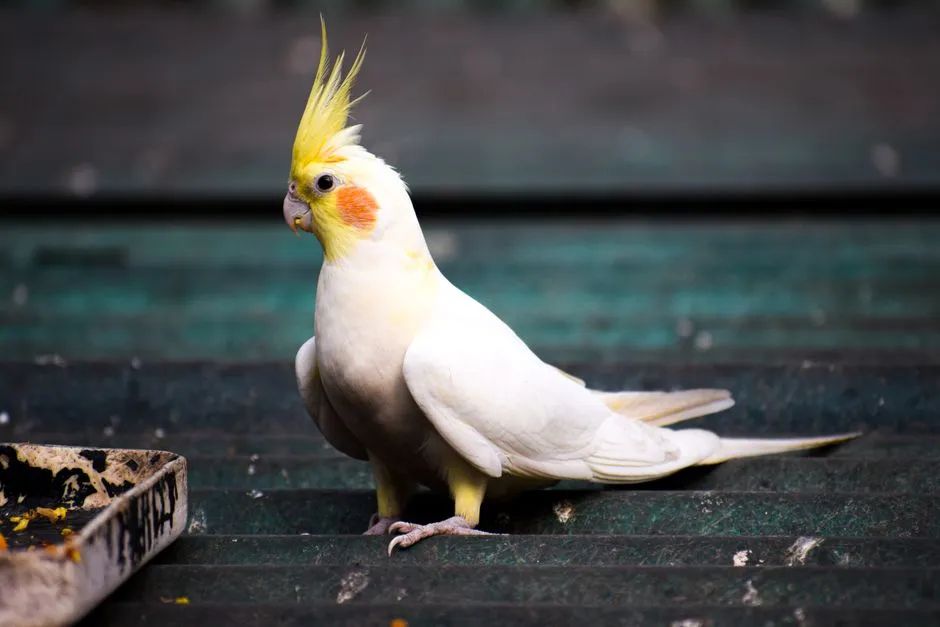
The New Parrot Supplies Checklist at a Glance
Before your bird comes home, you need six things ready: an appropriately sized cage with correct bar spacing, at least three varied perches, food and water dishes, a starter supply of the diet your bird already eats, basic foraging and enrichment toys, and a cleaning kit with bird-safe supplies. Everything else on this list makes the first weeks smoother, but those six are non-negotiable for day one. Buy the cage and diet first, set the cage up fully before pickup day, and have the whole space quiet and ready so your new parrot walks into a calm, finished home rather than a construction zone.
Below is the complete checklist, organized by priority, with realistic cost ranges and the reasoning behind each pick. Prices vary widely by region, brand, and bird size, and they drift over time, so treat every number as a ballpark rather than a quote.
Must-Have Supplies for Day One
These are the items that must be in place before the carrier door opens. Skipping any of them means an unsafe or stressful first day.
The cage
The cage is your single largest and most important purchase. Bigger is almost always better, and the wrong bar spacing can trap toes, wings, or heads. As a rule of thumb, a bird should be able to fully spread both wings and flap without touching the bars, and horizontal bars on at least part of the cage give climbing species something to grip.
Bar spacing matters as much as size. Small birds squeeze through gaps meant for larger parrots, and large parrots bend flimsy thin bars. Match spacing to your species before you buy. Our full cage sizing and bar-spacing guide breaks this down species by species.
| Bird size (examples) | Minimum bar spacing | Rough cage cost |
|---|---|---|
| Small (budgie, cockatiel, parrotlet, lovebird) | 3/8 to 1/2 inch | $70 to $200 |
| Medium (conure, quaker, senegal, caique) | 1/2 to 5/8 inch | $150 to $400 |
| Large (african grey, amazon, eclectus) | 3/4 to 1 inch | $300 to $800 |
| Extra large (macaw, large cockatoo) | 1 to 1.5 inch | $500 to $1,500+ |
Look for non-toxic powder-coated or stainless-steel finishes, a secure locking door (many parrots are escape artists), and a slide-out tray for easy cleaning. Avoid galvanized or rusty metal, which can carry zinc and lead risks.
Perches, and why variety matters
A cage usually ships with one or two round dowel perches of a single diameter. Standing on the same-width, same-texture surface all day contributes to sore feet and pressure sores, so plan to add variety.
Aim for at least three perches of different diameters and materials:
- Natural wood branch perches (manzanita, java, or safe hardwoods) with varying thickness for foot exercise
- A rope or cotton perch for grip and comfort near a favorite perching spot
- A pedicure or mineral perch placed away from food and sleeping areas to help keep nails and beak in trim
Position perches at different heights, keep the highest one where the bird will roost, and never place a perch directly over a food or water dish where droppings can contaminate it. Budget roughly $8 to $25 per perch.
Food and water dishes
Most cages include two dishes, but a third is useful so you can offer pellets, fresh food, and water separately. Stainless steel is the easiest to sanitize and the most durable; ceramic works well but breaks. Avoid soft plastic that scratches and harbors bacteria. If your bird is a determined dumper, coop-cup style dishes that lock into a holder help.
A starter supply of the current diet
This is the item new owners most often forget. Whatever your breeder, shelter, or store has been feeding, buy a supply of that exact food so you can keep the diet identical for the first couple of weeks. A move is stressful enough without an abrupt food change, which can cause a hunger strike or digestive upset.
Once your bird has settled, you can begin any diet improvements gradually. If the current food is a mostly seed mix, transitioning toward a pellet-and-fresh-food base is one of the best long-term health investments you can make, and our complete parrot diet guide walks through how to do it without a food strike. Budget $15 to $40 for a starter bag of quality pellets plus fresh produce.
A day-one food safety note: several common foods are genuinely toxic to parrots and must never be offered. Avocado, chocolate and cocoa, caffeine, alcohol, onion and garlic, fruit pits and apple seeds, xylitol, and heavily salted or fried foods are all dangerous. Keep these off the counter and out of reach from the start.
Basic enrichment and foraging toys
Parrots are intelligent and easily bored, and boredom feeds screaming and feather-destructive behavior. Have a small starter set ready: one or two foraging toys that hide food, a couple of destructible chew toys (safe untreated wood, palm, paper), and one preening or foot toy. Rotate toys weekly to keep them novel. Budget $20 to $50 for a starter set, and always check that clips, bells, and links have no gaps that can catch a toe or beak.
A bird-safe cleaning kit
You will be cleaning daily, so set up for it now:
- Paper towels and disposable liners (newspaper or plain paper) for the tray
- A dedicated scrub brush for dishes and perches
- A bird-safe disinfectant or a plain white-vinegar-and-water solution
- Gloves and a small dustpan
Avoid anything with strong fumes near the cage. Aerosols, bleach used carelessly, scented cleaners, and especially the fumes from overheated non-stick (PTFE) cookware can be dangerous to a bird's sensitive respiratory system.
Strongly Recommended Supplies
Not strictly required for hour one, but you will want these within the first days.
- A travel carrier — you need a safe way to transport your bird home and to vet visits. A hard-sided carrier with a low perch is ideal. $25 to $70.
- A cage cover or dark sheet — most parrots sleep better with 10 to 12 hours of quiet darkness, and a cover helps signal bedtime and reduce night frights. $15 to $40.
- A scale (gram accuracy) — weighing your bird weekly is one of the best early-warning tools you have, since weight loss often shows up before other illness signs. A basic kitchen gram scale works. $15 to $30.
- A cage-floor grate or extra liners — keeps your bird off soiled paper and droppings.
- A small first-aid kit — styptic powder for a broken blood feather or nail, gauze, and your avian vet's phone number posted where you can find it fast.
Find an avian vet before you need one
Line up a licensed avian or exotics veterinarian before your bird arrives, and schedule a new-pet wellness exam within the first week or two. Birds are prey animals and hide illness until they are seriously unwell, so a baseline exam while your bird is healthy gives the vet something to compare against later. Watch for early warning signs in the first days: a fluffed or puffed posture, tail-bobbing, labored breathing, appetite loss, sitting on the cage floor, lethargy, or changes in droppings. Any of these warrants prompt examination rather than waiting to see if it passes.
Nice-to-Have Extras
Once the essentials are covered, these improve quality of life over time:
- A playstand or tabletop perch for supervised out-of-cage time
- A bird bath or fine-mist spray bottle for bathing, which supports feather and skin health
- Full-spectrum bird lighting if your bird gets little natural daylight
- Cuttlebone or a mineral block as a calcium and beak-conditioning supplement
- A playpen or foraging tray for floor-time enrichment
Sample Starter Budget
Here is roughly what a complete first setup runs, before the bird itself. The range spans small species on the low end to large parrots on the high end.
| Category | Realistic range |
|---|---|
| Cage | $70 to $800+ |
| Perches (3+) | $25 to $75 |
| Dishes | $10 to $30 |
| Starter diet + fresh food | $20 to $50 |
| Toys and foraging | $20 to $50 |
| Cleaning kit | $15 to $40 |
| Carrier | $25 to $70 |
| Cover, scale, first-aid | $45 to $100 |
| Approximate total | $230 to $1,200+ |
That is the setup cost only. Ongoing food, toy replacement, and routine vet care add meaningfully to the yearly total, and larger species cost far more across the board. For the full financial picture and a broader first-month walkthrough, see our guide to bringing home your first parrot.
Set It Up Before Pickup Day
Assemble and position the cage, install perches and dishes, add a couple of toys, and stock the diet a day or two before your bird arrives. A finished, quiet environment lets your new parrot begin decompressing immediately instead of watching you drill and rearrange around a frightening new space. Keep the first days low-key, let the bird observe from the security of its cage, and resist the urge to handle too soon. The supplies get you ready; patience does the rest.
This article is general educational information about pet-bird care, not veterinary advice. Always confirm food safety and any health decision with a licensed avian or exotics veterinarian who can examine your bird.