The Complete Parrot Diet Guide: What to Feed for a Long, Healthy Life
- What to Feed a Parrot: The Short Answer
- Why Diet Is the Foundation of Parrot Health
- The Balanced Parrot Plate: Ratios That Work
- Feeding by Species and Size
- Foods You Must Never Feed
- Fresh Water, Supplements, and Grit
- How to Transition a Seed Junkie to a Better Diet
- Watch Your Bird, Not Just the Bowl
- Putting It Together
What to Feed a Parrot: The Short Answer
A healthy parrot diet is built on a quality formulated pellet as the daily base (roughly 60-70% of intake), rounded out with fresh vegetables and leafy greens (about 20-30%), a small amount of fruit and healthy seeds or nuts (around 5-10%), and constant access to clean water. Seeds alone are not a diet - an all-seed bowl is the single most common cause of preventable illness in pet parrots. Certain foods, including avocado, chocolate, caffeine, and alcohol, are genuinely toxic and must never be offered.
That ratio is the backbone. The rest of this guide explains how to hit it in real life: which pellets and vegetables to reach for, how much to feed a budgie versus a macaw, what to keep out of the cage entirely, and how to move a stubborn seed addict onto a better plate without a hunger strike.
This is general educational information, not veterinary advice. Nutritional needs shift with species, age, and health status, so confirm your bird's specific plan with an avian or exotics vet.
Why Diet Is the Foundation of Parrot Health
Parrots are long-lived, high-metabolism animals that evolved eating a wide variety of foods across changing seasons. In captivity, most of that variety disappears, and owners frequently default to a seed mix because birds love it. The problem is that parrots eat seeds the way people eat potato chips - they pick the fattiest, tastiest pieces and ignore the rest.
An all-seed diet is high in fat, low in calcium, and deficient in vitamin A and many other nutrients. Over months and years, that drives obesity, fatty liver disease, weakened immunity, poor feather quality, and a shortened lifespan. Avian vets see the downstream effects constantly. Good nutrition, by contrast, supports vibrant feathers, stable weight, a strong immune system, and the decades-long companionship these birds are capable of.
The encouraging part: diet is one of the few health factors you fully control. Getting the daily plate right is the highest-leverage thing most owners can do for their bird.
The Balanced Parrot Plate: Ratios That Work
Think of your parrot's daily food in four buckets. The exact percentages flex by species, but this framework applies to nearly every companion parrot from a budgie to a macaw.
| Food group | Share of daily diet | What it provides | Examples |
|---|---|---|---|
| Formulated pellets | 60-70% | Balanced base nutrition, vitamins, minerals | Reputable brands sold at vets and bird stores |
| Vegetables & leafy greens | 20-30% | Vitamin A, fiber, hydration, foraging enrichment | Dark leafy greens, squash, carrot, bell pepper, broccoli |
| Fruit | 5-10% | Antioxidants, variety, moisture | Berries, apple (no seeds), melon, papaya |
| Seeds, nuts & grains | 5-10% | Healthy fats, training rewards, foraging | Sprouted seeds, a few nuts, cooked whole grains |
Pellets: the reliable base
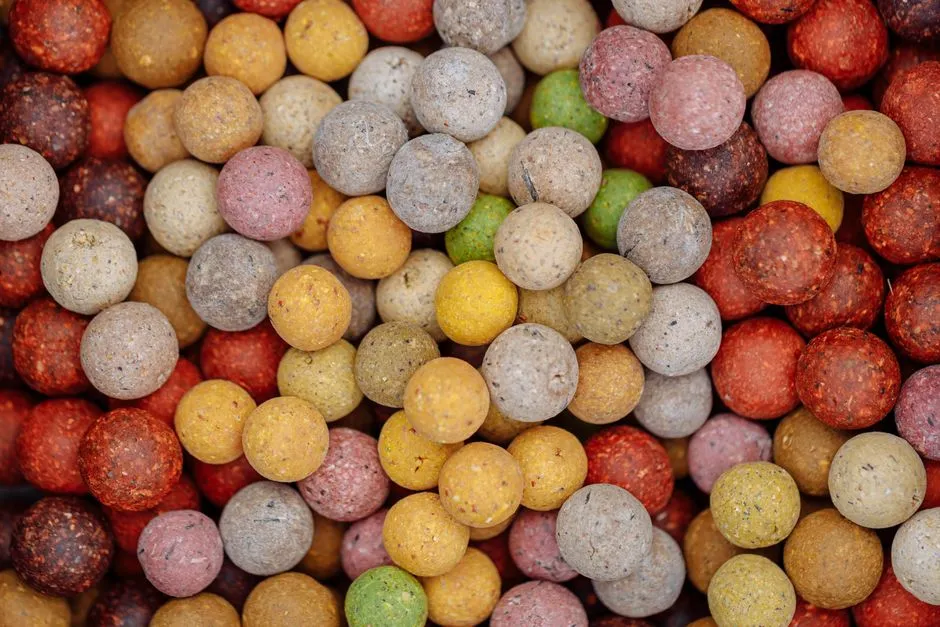
A good formulated pellet takes the guesswork out of balancing dozens of nutrients, because each bite is nutritionally complete rather than something your bird can pick around. For most parrots, pellets should make up the majority of the daily diet. Choose a reputable brand appropriate to your bird's size, and lean toward naturally colored or lower-additive options when available. If you're weighing the tradeoffs, our deep dive on pellets vs seeds for parrots walks through the evidence and the switching process.
Vegetables: the part owners underuse
Fresh vegetables are where a lot of the real nutrition and daily enrichment come from, and they're the group most owners skimp on. Dark leafy greens (kale, dandelion greens, romaine, chard, bok choy), orange and red vegetables (squash, sweet potato, carrot, bell pepper), and others like broccoli, green beans, peas, and zucchini are all excellent. Vitamin A-rich vegetables are especially valuable because vitamin A deficiency is so common on seed diets.
Serve vegetables raw or lightly steamed, chopped to a size your bird can handle. Many owners batch-prep a "chop" mix and freeze portions. Remove fresh food after a few hours so it doesn't spoil in the cage. A quick tip for reluctant birds: offer greens woven through the cage bars or clipped to a skewer, since parrots often find foraged food more appealing than the same item sitting in a bowl. Rotating which vegetables you offer week to week also keeps interest high and broadens the nutrients your bird takes in.
Fruit: a smaller role than people think
Fruit is healthy but sugary and watery, so it belongs in a supporting role rather than filling the bowl. Berries, apple (seeds removed), banana, melon, mango, and papaya are popular safe choices. For a fuller breakdown of good picks and ones to limit, see our guide to what fruits parrots can eat.
Seeds and nuts: treats and training tools
Seeds and nuts aren't evil - they're just calorie-dense. Use them as a small share of the diet, as foraging enrichment, and as high-value training rewards. Sprouting seeds boosts their nutrition and lowers their fat relative to dry seed. A few nuts a day (adjusted to size - one almond for a small bird, a walnut for a large one) is reasonable for most parrots.
Feeding by Species and Size
Portion sizes and emphasis shift with body size and metabolism. Smaller birds like budgies and cockatiels have slightly different tendencies than large macaws and cockatoos, and grass parakeets in particular are prone to obesity on rich diets. Use the ranges below as starting points, not prescriptions - your vet can fine-tune for your individual bird.
| Bird type | Example species | Rough daily pellet portion | Notes |
|---|---|---|---|
| Small | Budgie, parrotlet, lovebird | ~1.5-2 tsp | Prone to fatty tumors and obesity; watch seed/fat intake |
| Small-medium | Cockatiel, conure | ~2-3 tsp | Cockatiels are especially seed-addicted; push veggies |
| Medium | Quaker, small poicephalus, caique | ~3-4 tbsp | Active foragers; benefit from foraging toys |
| Large | African grey, amazon, eclectus | ~1/4-1/3 cup | Greys need adequate calcium; eclectus do best with lots of fresh food and fewer synthetic additives |
| Extra large | Macaw, large cockatoo | ~1/2-3/4 cup | Higher healthy-fat tolerance; nuts play a slightly larger role |
Portions vary with activity level, whether your bird is flighted, breeding status, and season. A practical gauge is body condition and weight: weigh your bird regularly on a gram scale and discuss the trend with your vet rather than fixating on exact spoon counts. Eclectus parrots deserve a special note - they have an unusually long digestive tract and generally do best on a whole-food, vegetable-heavy diet with minimal artificial coloring and fortification, so ask an avian vet about the right approach for that species.
Foods You Must Never Feed
Some foods are not just unhealthy but outright toxic to parrots, and a few can be fatal even in small amounts. Commit this list to memory and keep these items away from your bird entirely:
- Avocado - contains persin, which can cause heart failure and death in birds. Never offer any part of the plant or fruit.
- Chocolate and cocoa - theobromine and caffeine are toxic to birds.
- Caffeine - coffee, tea, energy drinks, and cola.
- Alcohol - toxic in any amount.
- Onion and garlic - can damage red blood cells; avoid raw, cooked, and powdered forms.
- Fruit pits and apple seeds - cherry, peach, apricot, plum pits and apple seeds contain cyanogenic compounds. Remove them; the fruit flesh itself is fine.
- Xylitol - the artificial sweetener found in sugar-free gum and some foods.
- Excess salt - salty snacks like chips and crackers strain a small bird's system.
- High-fat fried and heavily processed foods - harmful in excess and offer no nutritional value.
This is the short version. Our complete never-feed list of foods toxic to parrots explains the why behind each one and covers gray-area foods. When you're unsure whether something is safe, the safe default is to skip it and check with your vet.
A few common questions: dairy in tiny occasional amounts is not toxic but birds don't digest lactose well, so keep it minimal. Meat isn't toxic and some parrots enjoy a little cooked, unseasoned chicken or egg as protein, but it should never dominate the diet. Never share food that has touched your mouth - human saliva carries bacteria that can make birds sick.
Fresh Water, Supplements, and Grit
Water should be clean and available at all times. Change it at least once daily, and more often if your bird dunks food or soils the bowl. Many parrots foul their water quickly, so check it throughout the day.
Supplements are usually unnecessary if your bird eats a balanced pellet-and-fresh-food diet, because pellets are already fortified. Over-supplementing - especially with vitamins A and D - can actually cause harm. The main exception is a bird on a mostly seed diet still being transitioned, and even then, added vitamins should be guided by a vet. Powdered vitamins added to water are largely ineffective and encourage bacterial growth.
Calcium deserves a mention for species like African greys, which are prone to low blood calcium. A cuttlebone or mineral block offers a natural source, but don't rely on it alone - discuss calcium and any vitamin D3 needs (linked to safe sunlight or full-spectrum lighting) with your avian vet.
Grit is a myth for most parrots. Unlike some other birds, parrots shell their seeds before eating and do not need grit to digest food. Offering it can cause dangerous crop or gut impaction. Skip it unless a vet specifically directs otherwise.
How to Transition a Seed Junkie to a Better Diet
Converting a committed seed-eater to pellets and vegetables is the hardest part of parrot nutrition, but it's very doable with patience. The cardinal rule: never starve a bird onto a new food. Parrots have fast metabolisms and can decline quickly if they stop eating, so weight and appetite must be monitored throughout.
Practical strategies that work:
- Go gradual. Over days to weeks, slowly increase the pellet share while decreasing seeds, rather than switching cold turkey.
- Model the behavior. Birds learn by watching. Eat (or pretend to eat) the new food in front of your parrot with enthusiasm.
- Offer fresh food when hungry. Present pellets and veggies first thing in the morning when appetite is highest, before offering any seed.
- Change the presentation. Try chopping, mashing, warming, skewering, or sprinkling a favorite item over new foods. Foraging toys turn eating into a game.
- Be persistent. A bird may need to see a new food ten or more times before tasting it. Repeated exposure matters.
- Weigh regularly. Use a gram scale. A drop of more than a few percent in body weight, or a bird that isn't eating, means you slow down and call your vet.
Some birds convert in days; stubborn ones take weeks or months. Work with an avian vet on the plan for reluctant eaters, elderly birds, or any bird with a health condition.
Watch Your Bird, Not Just the Bowl
Even a well-fed parrot can develop problems, and diet-related illness often shows up first as subtle changes. Weigh your bird regularly and watch the food and water bowls - a parrot that suddenly eats or drinks much more or less than usual, or whose droppings change in color, volume, or consistency, needs attention.
Because birds instinctively hide illness, learn the early warning signs: a fluffed or puffed-up posture, tail-bobbing, labored breathing, appetite loss, lethargy, or a bird sitting on the cage floor. Our guide to the early signs of a sick parrot covers these in detail. Any of them warrants prompt examination by an avian or exotics vet - birds can decline fast, and diet is never a substitute for professional care.
Putting It Together
A parrot that thrives eats a formulated pellet base, a generous daily helping of vegetables and greens, modest fruit, and small amounts of healthy seeds and nuts, with clean water always available and the toxic-food list treated as absolute. Weigh your bird, offer variety, make fresh food the norm rather than the exception, and partner with an avian vet who can tailor the plan to your species and individual bird. Do that, and you're giving your parrot the single best foundation for the long, healthy life it's built for.