Pellets vs Seeds for Parrots: Which Is Better (and How to Switch)?
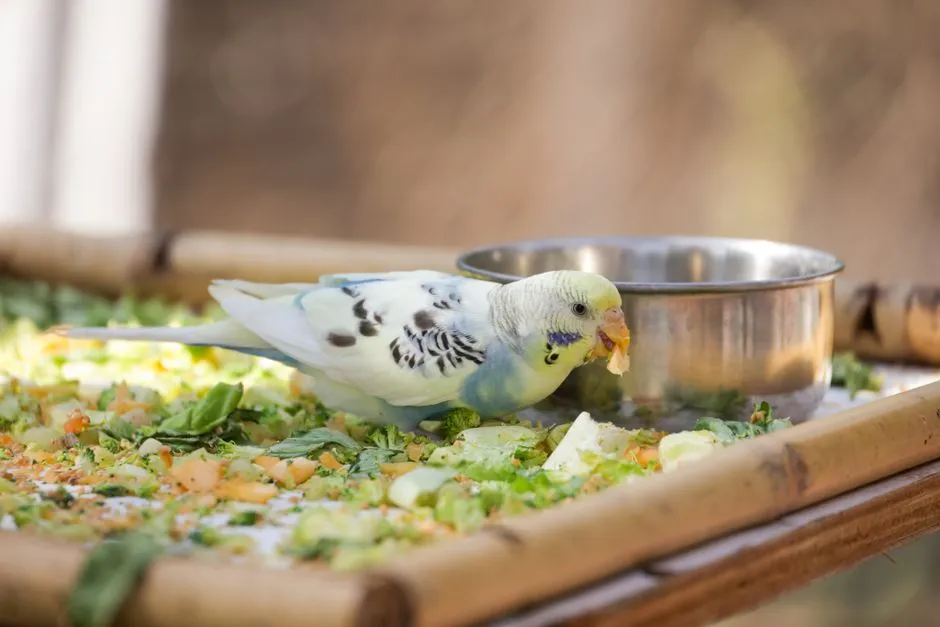
Pellets vs Seeds for Parrots: The Short Answer
For most companion parrots, a formulated pellet diet is healthier than a seed-based one. Pellets are nutritionally balanced in every bite, so your bird can't pick out the fatty favorites and leave the rest, which is exactly how all-seed diets quietly cause obesity, fatty liver disease, and vitamin A deficiency over years. The mainstream avian-vet consensus is that pellets should form the base of the diet - roughly 50-70% - with fresh vegetables, some fruit, and a small amount of seed rounding it out. Seeds aren't poison; they're just an incomplete food that becomes harmful when they're the whole menu.
That said, "pellets are better" comes with real nuance: which pellet, how you transition, and how much seed still belongs on the plate. This guide covers all of it.
Why an All-Seed Diet Slowly Harms Parrots
Seeds are the pet-bird equivalent of a diet built entirely from potato chips. They're high in fat and calories, low in calcium, and deficient in vitamin A and many other nutrients parrots need. Wild parrots eat a huge variety of seeds, fruits, flowers, buds, and foliage across the seasons - captive birds handed a bowl of the same three oily seeds do not get that balance.
Three problems show up again and again in avian practice:
- Selective feeding. Given a mix, most parrots eat the highest-fat items first - sunflower and safflower seeds, nuts - and ignore the rest. The bird engineers its own worst possible diet.
- Fat accumulation. Chronic excess fat drives obesity and hepatic lipidosis (fatty liver disease), a common and serious problem in seed-junkie parrots, especially Amazons, budgies, and cockatiels.
- Vitamin A deficiency. Seeds are very low in vitamin A. Deficiency damages the respiratory and digestive tracts and weakens immunity, setting birds up for infections that a balanced diet would help prevent.
None of this happens overnight, which is the trap. A seed-fed parrot can look fine for years and then decline. Diet is the single biggest thing owners get wrong, and it drives a large share of avian-vet visits. For the full picture of building a healthy plate, see our complete parrot diet guide.
Why Pellets Are Usually the Better Base
Pellets (also sold as "crumbles" or "nuggets") are manufactured from ground grains, vegetables, vitamins, and minerals, then baked or extruded into uniform pieces. The key advantage is simple: every bite is the same complete formula, so the bird can't cherry-pick. That eliminates selective feeding in one move.
Good-quality pellets provide balanced protein, controlled fat, and adequate vitamin A and calcium - the exact things seed diets lack. For most parrots kept as pets, this is why vets recommend pellets as the foundation.
Pellets aren't perfect, and it's worth being honest about the caveats:
- Not every bird needs the same formula. Some species and life stages have different needs; a breeding hen, a chronically ill bird, or certain species may need adjustments your vet should guide.
- Color and flavor additives vary by brand. Many owners prefer naturally colored or dye-free pellets; there's no strong evidence dyes are harmful, but plainer formulas avoid the question.
- Pellets alone are still not the whole diet. A bird eating only pellets misses the enrichment, hydration, and variety of fresh foods. Pellets are the base, not the entire meal.
Choosing a pellet
You don't need the most expensive bag, but a few things matter:
- Pick a species- or size-appropriate pellet size so your bird can actually eat it.
- Favor reputable avian-nutrition brands your vet recognizes; ask what they stock and recommend.
- Match the formula to life stage (maintenance vs. high-energy/breeding) only under vet guidance.
- Store pellets sealed and use them before the expiration date - stale pellets lose vitamin potency and get rejected.
Pellets vs Seeds at a Glance
| Factor | Pellets | Seeds (as sole diet) |
|---|---|---|
| Nutritional balance | Complete and consistent per bite | Incomplete; high fat, low vitamin A and calcium |
| Selective feeding risk | Eliminated | High - birds pick fatty favorites |
| Obesity / fatty liver risk | Low when portioned | High over time |
| Vitamin A adequacy | Adequate | Deficient |
| Enrichment / foraging value | Low | Moderate (cracking shells) |
| Acceptance by new birds | Often resisted at first | Readily eaten |
| Best role in the diet | Base (about 50-70%) | Small treat/training portion |
The table makes the strategy clear: pellets win on nutrition, seeds win on palatability and foraging fun. The answer isn't "never feed seeds" - it's "don't let seeds be the meal."
Do Seeds Have Any Place in a Parrot's Diet?
Yes. Seeds are a fine treat and training reward in small amounts, and some seeds carry real value. A few sunflower or safflower seeds are gold-standard high-value rewards precisely because birds love them. Sprouted seeds (soaked until they just germinate) shift their nutritional profile and are a healthy fresh addition many owners rotate in.
Think of seeds the way you'd think of nuts and dried fruit in a human diet: nutritious in moderation, a problem as a staple. A reasonable target for most parrots is to keep loose seed to a small slice of daily intake - a teaspoon-scale training stash rather than a full bowl.
One important safety note: seeds are food, not the danger. The genuinely dangerous items are separate. Never feed avocado, chocolate, caffeine, alcohol, onion and garlic, or fruit pits and apple seeds (which are cyanogenic), and keep salt and fried foods minimal. Our never-feed list of foods toxic to parrots covers the full set - memorize it, because these are the mistakes that cause emergencies.
How to Switch a Parrot from Seeds to Pellets
Converting a committed seed-eater is the hard part, and it's where many owners give up. Parrots are neophobic - suspicious of new things - and a bird that doesn't recognize pellets as food may ignore them completely at first. The two rules that matter most:
- Go slowly - a conversion can take weeks to a few months.
- Never starve a bird onto pellets. Birds have fast metabolisms and can deteriorate within a day or two without eating. Weight loss during a switch is an emergency, not progress.
A safe step-by-step transition
- Weigh your bird first. Buy a gram scale and record a baseline weight. Weigh every few days during the switch; any steady drop means back off and call your vet.
- Introduce pellets as "food," not a stranger. Mix a small amount of pellets into the seed, or offer pellets in a separate familiar dish at your bird's hungriest time (usually first thing in the morning).
- Shift the ratio gradually. Over days to weeks, slowly increase pellets and decrease seeds. Some birds do well going from 10% pellets to 25%, 50%, and up as they accept them.
- Make pellets appealing. Eat them yourself (pretend to, enthusiastically) in front of your bird, crush them onto a favorite warm veggie, or moisten them slightly. Social eating is a powerful motivator for flock animals.
- Offer, remove, re-offer. Fresh food in the morning, refreshed through the day, keeps novelty up. Don't leave a full seed bowl available 24/7 as a fallback, or the bird will simply wait you out - but do make sure it is eating something every day.
- Confirm they're actually eating pellets. Watch for pellet crumbs and colored droppings. A bird can knock pellets to the cage floor while eating nothing.
Watch for trouble
Because you're changing intake, keep an eye out for illness signs during the transition: a fluffed, puffed-up posture, tail-bobbing, labored breathing, appetite loss, changes in droppings, lethargy, or sitting on the cage floor. Any of these means stop the experiment and get to an avian or exotics vet promptly - birds hide sickness until they're seriously unwell. Stress from a diet change can also occasionally trigger feather issues; if you notice feather loss, our guide on why a parrot loses feathers helps you sort molting from a real problem.
How Much of Each Should You Feed?
As a rule of thumb for most companion parrots on a maintenance diet:
- Pellets: ~50-70% of daily intake - the nutritional base.
- Vegetables and leafy greens: ~20-30% - dark leafy greens, squash, peppers, and other colorful veg for vitamin A and variety.
- Fruit: ~5-10% - a small amount; it's sugary, so treat it as a garnish, not a staple.
- Seeds and nuts: a small treat/training portion - think a teaspoon-scale daily allowance, not a bowl.
Exact ratios vary by species, age, activity, and health, and some birds (like nectar-feeding lories or certain finches) have entirely different requirements. This is general education, not a prescription - confirm the right plan for your specific bird with an avian vet, especially if your bird is very young, elderly, breeding, or unwell.
The Bottom Line
Pellets beat seeds as the foundation of a parrot's diet because they deliver balanced nutrition in every bite and remove the selective-feeding that makes all-seed diets so damaging over time. But the healthiest plate isn't pellets alone - it's a pellet base plus fresh vegetables, a little fruit, and seeds demoted to the treat they should always have been. Switch slowly, weigh your bird, never starve it onto pellets, and loop in an avian vet if anything looks off. Get the base right and you remove one of the biggest, most preventable threats to your parrot's long, healthy life.