Foods Toxic to Parrots: The Complete Never-Feed List
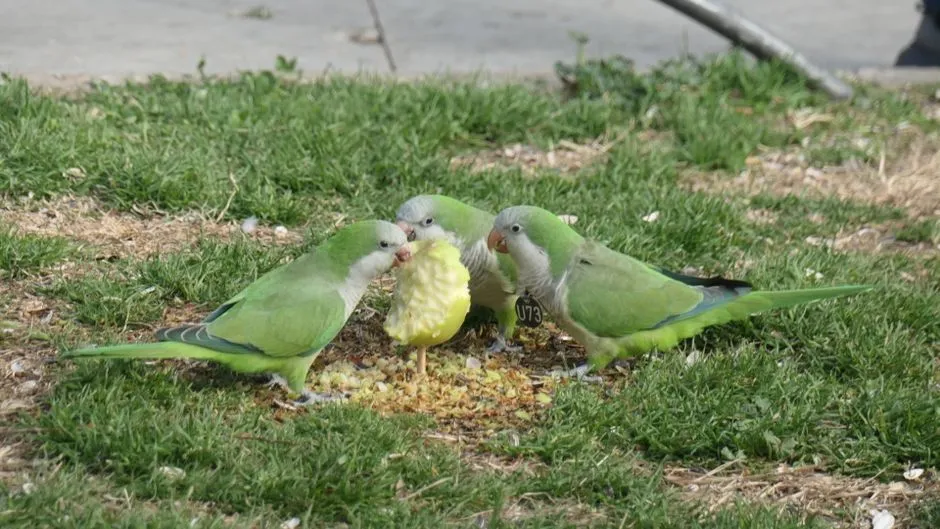
The Foods You Must Never Feed a Parrot
A handful of common human foods are genuinely dangerous to parrots, and a few can kill a small bird within hours. The non-negotiable never-feed list is short but critical: avocado, chocolate and cocoa, caffeine, alcohol, fruit pits and apple seeds, onion and garlic, xylitol (a sugar-free sweetener), and excess salt. Fatty fried foods and heavily processed junk aren't acutely toxic in the same way, but they cause serious harm over time. Because a parrot's body weight is tiny compared to a human's, a bite you would shrug off can be a dangerous dose for your bird. When in doubt, don't share it, and call an avian vet.
This guide walks through each dangerous food, why it's harmful, what an exposure looks like, and what to do if your parrot eats something it shouldn't. It pairs naturally with our complete parrot diet guide, which covers what your bird should be eating every day.
The Acutely Toxic Foods (Never, in Any Amount)
These are the foods most likely to cause rapid, serious illness. Treat them as strictly off-limits and store them where a curious, climbing parrot can't reach.
Avocado
Avocado is the single most notorious parrot toxin, and for good reason. It contains persin, a compound birds are especially sensitive to. Ingestion can cause heart muscle damage, difficulty breathing, weakness, and sudden death, sometimes within 12 to 48 hours. The flesh, skin, pit, and leaves are all considered dangerous, and there is no reliably "safe" amount. Keep guacamole, avocado toast, and even houseplants in the avocado family well away from your bird. If your parrot eats any avocado, contact an avian vet immediately rather than waiting for symptoms.
Chocolate and Cocoa
Chocolate contains theobromine and caffeine, stimulants that birds metabolize very slowly. In parrots, chocolate can trigger vomiting, diarrhea, a racing heart, tremors, seizures, and death. Darker chocolate and cocoa powder are more concentrated and therefore more dangerous, but no chocolate is safe. This includes chocolate baked goods, cocoa-dusted snacks, and hot cocoa.
Caffeine
Coffee, tea, energy drinks, soda, and anything else containing caffeine act as powerful cardiac stimulants in birds. Even small amounts can cause hyperactivity, an elevated or irregular heartbeat, and cardiac arrest. Never let a parrot sip from your coffee cup or nibble a used tea bag, and be mindful of an inquisitive bird that likes to dip into open mugs.
Alcohol
Alcohol is toxic to parrots and depresses the nervous system fast in such a small body. It can cause disorientation, weakness, respiratory depression, and death. This includes beer, wine, spirits, and foods cooked with alcohol that hasn't fully evaporated. There is no safe "taste" for a bird.
Xylitol
Xylitol is a sugar substitute found in sugar-free gum, mints, some peanut butters, baked goods, and "diet" products. It is well documented as dangerous in dogs, and because birds are highly sensitive to metabolic disruptors, it is firmly on the avoid list for parrots. Always check ingredient labels on anything sweet before offering it, and never assume "sugar-free" means bird-safe.
Onion and Garlic
Onion and garlic, along with chives, leeks, and shallots, contain sulfur compounds that can damage a bird's red blood cells and lead to anemia. This applies whether they're raw, cooked, powdered, or dehydrated, which means seasoned leftovers, garlic bread, and onion-heavy dishes are all off the table. Small amounts of these seasonings hide in a surprising number of human foods, so skip sharing anything savory and cooked unless you know exactly what's in it.
Fruit Pits and Apple Seeds
The seeds of apples and the pits of stone fruits, such as cherries, apricots, peaches, and plums, contain cyanogenic compounds that can release cyanide when chewed. The fruit flesh itself is fine and healthy, but the pits and seeds are not. Always core apples and remove pits before offering fruit. For more on which fruits are good choices and how to prep them safely, see our guide to what fruits parrots can eat.
Quick-Reference Toxicity Table
| Food | Toxic component | Main risk | Never-feed? |
|---|---|---|---|
| Avocado | Persin | Heart damage, breathing distress, sudden death | Yes |
| Chocolate / cocoa | Theobromine, caffeine | Vomiting, seizures, cardiac failure | Yes |
| Caffeine (coffee, tea, energy drinks) | Caffeine | Racing heart, cardiac arrest | Yes |
| Alcohol | Ethanol | Nervous-system depression, death | Yes |
| Xylitol (sugar-free products) | Xylitol | Metabolic disruption | Yes |
| Onion & garlic | Sulfur compounds | Red-blood-cell damage, anemia | Yes |
| Fruit pits & apple seeds | Cyanogenic compounds | Cyanide poisoning | Remove before feeding |
| Excess salt | Sodium | Dehydration, kidney strain, imbalance | Avoid salty foods |
| Fatty / fried foods | Fat | Obesity, fatty liver over time | Avoid |
Foods That Are Harmful in Excess (Not Instantly Toxic, but Damaging)
Some foods won't poison your bird from a single bite, but they cause real harm when they become part of the regular diet. These are the "everyday junk" foods worth keeping out of your parrot's bowl.
Salt and Salty Snacks
A parrot's small body handles only a tiny amount of sodium. Chips, crackers, pretzels, salted nuts, and processed meats deliver far more salt than a bird should ever get, and excess sodium can cause excessive thirst, dehydration, kidney strain, and electrolyte imbalance. Offer unsalted versions of foods when you share, and skip processed snacks entirely.
High-Fat and Fried Foods
Fried foods, fatty meats, butter, and greasy leftovers push a parrot toward obesity and fatty liver disease, which is common in pet birds on rich, seed-heavy diets. Some species, such as Amazons and budgies, are especially prone to putting on weight. A little healthy fat from nuts or seeds is fine as an occasional treat, but fried and greasy human food is not.
Sugary and Heavily Processed Foods
Candy, cookies, sugary cereals, and other processed snacks offer empty calories and no real nutrition. They can contribute to weight gain and displace the balanced diet your bird actually needs. Fruit provides plenty of natural sweetness in a far healthier package.
Dairy in Large Amounts
Birds don't produce much lactase, so they don't digest milk sugar well. A tiny crumb of cheese or a lick of plain yogurt is unlikely to cause a crisis, but milk, cream, and dairy-heavy foods can cause digestive upset and shouldn't be part of the routine diet.
The Comfrey and "Grit" Caveats
Owners sometimes assume anything "natural" is safe, which isn't true. Certain plants and additives marketed for birds are unnecessary or risky, and insoluble grit in particular can cause impaction in parrots (unlike some other birds, hookbills shell their seeds and don't need it). When in doubt about any supplement or plant, ask your avian vet before offering it.
Why Parrots Are So Vulnerable
Two things make toxic foods more dangerous for parrots than for a person or even a dog. First, body size: many pet parrots weigh between 30 grams (a budgie) and 500 grams (a large macaw), so a dose that's trivial for a human is proportionally enormous for a bird. Second, birds have a fast metabolism and an efficient respiratory system, which means toxins can act quickly. This is also why airborne hazards, like fumes from overheated non-stick cookware, are so dangerous to birds. Food toxicity follows the same pattern: small exposure, rapid effect.
Parrots are also natural foragers and skilled climbers with dexterous feet and strong beaks. They will investigate your plate, raid an unattended snack, and pry open containers. Prevention means managing the environment, not just the food bowl.
What to Do If Your Parrot Eats Something Toxic
If you know or suspect your bird ate something on the never-feed list, treat it as an emergency and act quickly.
- Remove the food and any remaining pieces so your bird can't eat more, and note roughly how much it consumed and when.
- Call an avian or exotics vet right away, or an emergency animal hospital and a pet-poison helpline if your regular clinic is closed. Do this even if your parrot seems fine, because birds hide illness and some toxins act with a delay.
- Do not try to induce vomiting or give any home remedy unless a veterinary professional specifically tells you to. The wrong intervention can make things worse and can delay real care.
- Keep your bird warm, calm, and quiet while you arrange to be seen. Transport it in a secure, familiar carrier.
- Bring the packaging or a photo of what was eaten so the vet knows exactly what they're treating.
Warning Signs to Watch For
Even after a small exposure, watch closely for signs of illness. A parrot that is unwell may show:
- A fluffed or puffed-up posture held for long stretches
- Tail-bobbing or labored, open-mouthed breathing
- Loss of appetite or refusing favorite foods
- Changes in droppings (color, consistency, or volume)
- Lethargy, sitting low, or resting on the cage floor
- Vomiting, unsteadiness, tremors, or weakness
Any of these warrants prompt examination by an avian vet. Our guide to the early signs of a sick parrot covers what to look for in more detail, but when it comes to a suspected poisoning, don't wait to see how symptoms develop, call for help first.
Building a Safe-Sharing Habit
The simplest rule is this: when you want to share food with your parrot, start from the list of foods you know are safe rather than checking whether a given food is dangerous. Fresh vegetables, most fruits (pits and apple seeds removed), cooked whole grains, and a quality pellet form the backbone of a healthy plate. Keep human snacks, seasoned leftovers, and anything from the never-feed list out of reach, and store avocado, chocolate, and sugar-free products where a climbing bird can't get to them.
If you're not certain a food is safe, the safe default is to skip it and ask your avian vet. A short list of forbidden foods, kept firmly in mind, prevents the large majority of dietary emergencies, and it lets you enjoy sharing mealtime with your bird without second-guessing every bite.
This article is general educational information about parrot care, not veterinary advice. It does not replace examination and treatment by a licensed avian or exotics veterinarian. If you suspect your bird has eaten something toxic or is showing any sign of illness, contact an avian vet promptly, and never use this content to delay professional care in an emergency.