How to Parrot-Proof a Room Before Flight Time
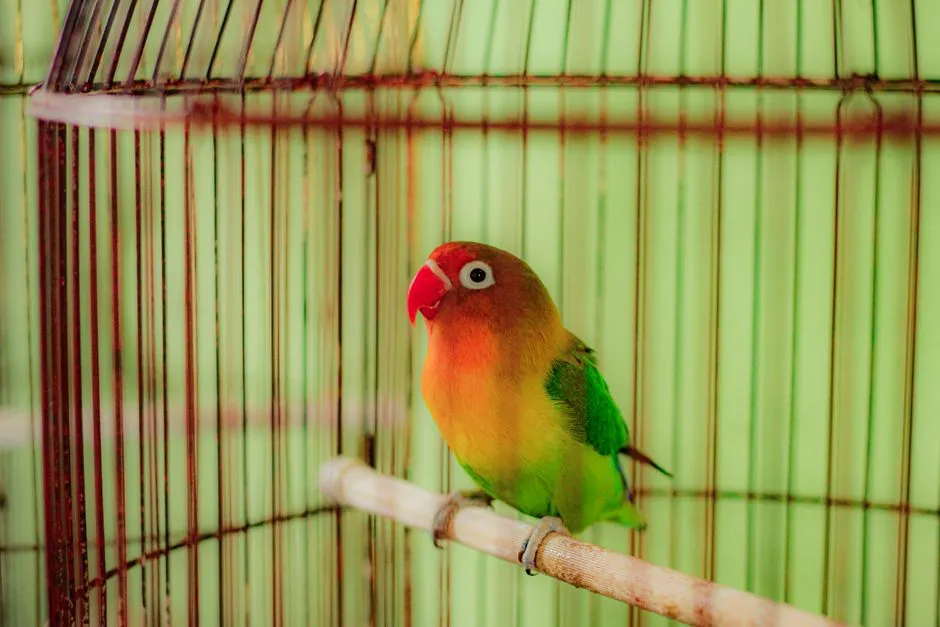
- How do you parrot-proof a room?
- Which room should you use for out-of-cage time?
- What should you check at doors and windows?
- How do you make glass and mirrors visible?
- What is the ceiling-fan rule?
- Which water and heat hazards need to be closed?
- Why is PTFE a separate emergency hazard?
- How should cords and powered equipment be handled?
- Which poisons and small objects must leave the room?
- Can a parrot share flight time with another pet?
- What landing and supervision setup works best?
- What is the final pre-release checklist?
- What should you do after an accident or exposure?
- Sources
How do you parrot-proof a room?
Choose one room, shut every exterior door and window, switch off and isolate every fan, cover or mark large glass surfaces, close open water, remove heat and flame, make electrical cords inaccessible, lock away chemicals and toxic foods, and keep other animals behind a closed door. Inspect from the bird's likely flight and landing height before every release. PTFE/Teflon fumes can kill birds; suspected fume exposure or any injury needs immediate avian-veterinary help.
Room proofing is a repeatable release check, not a one-time decorating project. People reopen windows, plug in appliances, move plants, leave drinks out, and carry cleaning products through the room. Reset the room each time.
Which room should you use for out-of-cage time?
Start with the room that has the fewest exits, the least cooking or repair activity, and enough clear space for the bird to move between stable landing places. A kitchen, workshop, active fireplace room, or room connected to an open exterior door is not a suitable default flight space.
The room should let you control every person and animal entering it. If a family member may open an exterior door without checking, establish a closed-door buffer or choose another room. A sign is a reminder, not a physical barrier.
Place the cage or a familiar stand where the bird can return without crossing a fan, hot surface, doorway, or narrow route. The parrot cage placement guide covers the quieter, longer-term location questions; this checklist addresses the temporary free-flight state.
What should you check at doors and windows?
Close and latch every window and exterior door before opening the cage. Check screens as a second layer, not as the only escape barrier. A loose, damaged, or removable screen does not make an open window safe.
Tell everyone in the home that the bird is out. Use one named person to authorize entry and release. Delivery, balcony, patio, and garage doors count as exterior routes even when they are outside the immediate room. Interior doors to unsafe rooms should also stay closed.
The RSPCA advises closing all windows and doors before indoor flight. The MSD Veterinary Manual also lists open doors and windows as common injury hazards. Training and familiarity do not replace the barrier; a startled or redirected bird can move before a person can respond.
Before release, run a physical check:
- touch each window latch and door handle;
- confirm any connecting hallway ends at a closed exterior barrier;
- tell household members the room is active;
- put keys and needed items inside so nobody must open an exit mid-session; and
- decide how the bird will return to a cage or carrier without chasing.
How do you make glass and mirrors visible?
Birds may not perceive a window or mirror as a solid barrier. MSD and VCA both identify collisions with glass and mirrors as injury risks. Cover the surface with curtains or blinds, or use a visible pattern of decals or other markers across the area the bird may approach.
One small sticker in a large pane does not clearly define the whole barrier. The goal is to interrupt the apparent open route across the flight-facing surface. Reflective cabinet doors, glass shower panels, picture glass, and dark windows at night deserve the same check.
Introduce a newly prepared room calmly from a secure perch. Do not launch or chase the bird toward a marked surface as a test. If a collision occurs, stop the session, keep the bird quiet and contained, and contact an avian veterinarian promptly even if the bird initially looks normal.
What is the ceiling-fan rule?
Every fan must be fully stopped before the bird leaves the cage. VCA says never allow a bird to fly while a fan is running, especially a ceiling fan; the RSPCA gives the same stop rule. This includes ceiling fans, pedestal fans, table fans, air circulators, and exposed appliance blades.
Switching a fan off is not enough if another person, remote, automation, thermostat, or wall control can restart it. Disable the schedule, put the remote out of use, and make the active control unmistakable for the whole session. Wait until the blades stop completely before release.
Do not ask a reader to service, rewire, or open a fan. If a switch, control, guard, mount, or electrical supply is faulty, keep the bird caged and have the equipment isolated and repaired by a qualified electrician or the manufacturer's authorized service route.
Which water and heat hazards need to be closed?
Close toilet lids and bathroom doors. Empty or cover sinks, tubs, buckets, mugs, glasses, pans, vases, and aquariums that a bird could enter. MSD lists open toilets, sinks, tubs, and pans of liquid as drowning hazards; VCA says any open water container should be treated as a danger zone.
Remove hot drinks and cooking vessels from the flight room. Keep the bird out of the kitchen whenever a stove, oven, kettle, toaster, air fryer, hot plate, or other heated appliance is in use or cooling. Close fireplace and heater access, and do not allow flight around candles, incense, open flames, or hot bulbs.
The barrier is physical: a closed door, a closed lid, or removal of the vessel. Supervision alone is not fast enough to stop a flight into hot liquid or open water.
Why is PTFE a separate emergency hazard?
Polytetrafluoroethylene (PTFE), commonly associated with Teflon and other non-stick coatings, can release gases when overheated. The Association of Avian Veterinarians says PTFE is a common cause of airborne toxicity in pet birds and identifies possible sources beyond cookware, including air fryers, irons, ironing-board covers, self-cleaning ovens, and heat lamps. It states that exposed birds can develop breathing trouble, incoordination, weakness, coma, and death.
PTFE/Teflon fumes can kill birds. Do not soften that rule because the product is in another room. Heating and ventilation paths are household-level decisions. Identify coatings and appliances from the exact manufacturer documentation, and do not use an unknown heated or self-cleaning product around birds.
If PTFE, smoke, a heated coating, or another fume exposure is suspected, stop the source only if that can be done without entering danger, move the bird to fresh air, and seek emergency avian-veterinary care immediately. Do not wait for symptoms and do not attempt home treatment. The PTFE danger guide covers this hazard in detail.
How should cords and powered equipment be handled?
Parrots chew. VCA warns that accessible electrical cords can cause electrocution, facial burns, and fire; the AAV household-danger guide also describes serious mouth and internal injury.
Unplug and remove portable equipment that is not needed. Route necessary cords through a fixed barrier the bird cannot reach from a perch, floor, furniture edge, or climbable object. A decorative cable sleeve is not automatically chew-proof. Inspect plugs, insulation, guards, and outlet covers before every release.
Keep the bird caged while moving powered equipment. Never work on a live circuit, open an appliance, or improvise an electrical repair. Damaged cords, outlets, fixed wiring, fan controls, and mounted equipment belong with the manufacturer or a qualified electrician.
Which poisons and small objects must leave the room?
Remove cleaners, disinfectants, aerosols, air fresheners, perfumes, paint, solvents, pesticides, medicines, nicotine products, glue, batteries, and accessible metals of unknown composition. MSD's household-hazard guide lists cleaners, personal-care products, paints, pesticides, medications, adhesives, heavy metals, and many other everyday materials as potential bird hazards. The list is not exhaustive.
Remove houseplants unless the exact species and every treatment applied to it are confirmed appropriate by an avian veterinarian. Soil amendments, leaf products, pesticides, pot materials, and small stones also require review.
Keep human food out of the room during flight time. Avocado, chocolate, and caffeine are toxic to parrots. Do not leave plates, cups, wrappers, alcohol, chewing gum, or food scraps where a bird can reach them. An unknown exposure is a reason to call an avian veterinarian or animal poison service immediately, not a reason to watch for symptoms.
Also collect swallowable and entangling objects: earrings, coins, pins, staples, rubber bands, string, thread, open hooks, magnets, hardware, peeling coatings, and broken toy parts. Inspect the floor, furniture seams, windowsills, and the tops of reachable shelves.
Can a parrot share flight time with another pet?
No unsupervised contact is safe. VCA identifies cats, dogs, ferrets, snakes, and lizards as potential predators and says they should never be left alone with a bird. For a flight session, put other animals behind a closed door in a separate space. Holding a dog or asking a cat to stay does not create a reliable barrier.
This applies to familiar pets. A scratch, bite, pounce, paw strike, or frightened collision can happen quickly. If any physical contact occurs, stop the session and contact an avian veterinarian immediately. Do not clean or medicate a wound without veterinary instructions.
What landing and supervision setup works best?
Give the bird several stable, familiar landing choices with clear approaches. Use species-appropriate perches or stands in sound condition. Keep them away from glass, doors, fans, cords, open water, hot equipment, unstable shelves, and tall objects that can tip.
Supervision means an attentive adult remains in the room and is able to intervene by closing access or cueing a trained return. It does not mean watching through a camera while cooking elsewhere. Avoid chasing, grabbing, or forcing a frightened bird; use familiar cues and body-language pauses from the parrot body-language guide.
End the session before the household needs the room for cooking, cleaning, repairs, deliveries, or open-door traffic. Return the bird first, close the cage securely, and only then restore fans, doors, appliances, pets, and normal room use.
What is the final pre-release checklist?
Use the same order every time:
- Bird: normal behavior, secure return plan, familiar landing places.
- People: everyone notified, one release owner, no expected door traffic.
- Exits: windows and exterior doors shut and latched; unsafe interior rooms closed.
- Glass: windows, mirrors, and glass panels covered or visibly marked.
- Air: no cooking, smoke, sprays, cleaning, repairs, heated coatings, or unknown fumes.
- Motion: every fan and exposed moving mechanism stopped and prevented from restarting.
- Heat and water: flames and hot appliances absent; lids closed; open liquids removed.
- Power: unused devices unplugged; necessary cords and outlets inaccessible and intact.
- Poisons: chemicals, medicines, toxic foods, plants, metals, adhesives, and small objects removed.
- Animals: every other pet physically separated behind a closed door.
- Floor and heights: no unstable furniture, open mechanisms, loops, sharp objects, or unsafe landing routes.
- Emergency plan: avian-vet and emergency numbers available, carrier ready, route known.
If any line fails, keep the bird secured until it is corrected. A shorter session in a controlled room is safer than improvising around one open hazard.
What should you do after an accident or exposure?
Stop the session and contact an avian veterinarian immediately for a collision, burn, electrical contact, animal contact, breathing change, suspected poisoning, PTFE or smoke exposure, bleeding, weakness, altered balance, reduced activity, or difficulty using a wing or leg. MSD advises prompt veterinary attention for abnormal movement, discharge, abnormal droppings, or decreased activity after injury.
Keep the bird quiet in a secure carrier and follow the clinic's transport instructions. Bring the product label, appliance identity, photo, or exposure details when relevant. Do not induce vomiting, give food, fluids, medicine, or a home remedy unless the avian veterinarian specifically directs it.
Sources
- Association of Avian Veterinarians: Protecting pet birds from household dangers
- Association of Avian Veterinarians: Is flight right for your pet bird?
- MSD Veterinary Manual: Household hazards for pet birds
- MSD Veterinary Manual: Injuries and accidents of pet birds
- VCA Animal Hospitals: Household hazards and dangers to birds
- RSPCA: Housing and environments for pet birds