Ceiling Fan Safety for Birds Outside the Cage
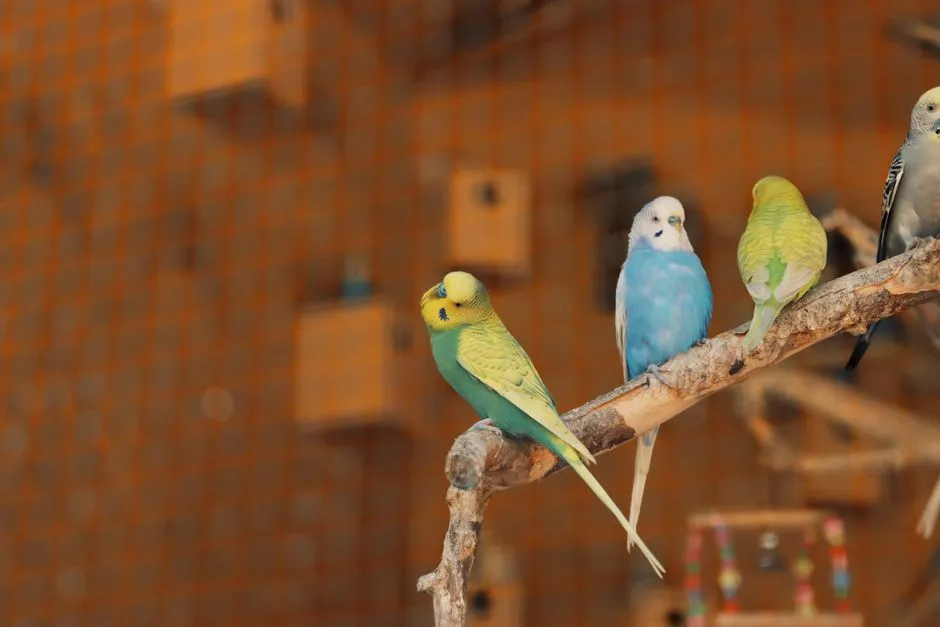
- Can a ceiling fan run while a bird is outside the cage?
- Use one release routine every time
- Control the switch, not just the fan
- Check adjacent rooms and open sightlines
- Do not use training as the safety barrier
- Build a shared-home handoff
- What should you do if the fan starts unexpectedly?
- When does a fan incident need an avian vet?
- A final fan-safety check
- Sources
Can a ceiling fan run while a bird is outside the cage?
No. Switch every fan in the bird's accessible space off before opening the cage, and keep it off until the bird is secured again. A moving ceiling fan can seriously injure a flying bird. Treat the switch position as only one part of the check: confirm the blades have stopped, control who can restart them, close escape routes, and supervise the whole out-of-cage period.
The rule applies even when a bird usually stays on a play stand, has clipped flight feathers or has never flown toward the fan. Startle, a missed step or a short unexpected flight can change the route in a moment. VCA Animal Hospitals states plainly that a bird should never fly while a fan is running, particularly a ceiling fan. The MSD Veterinary Manual also lists rotating ceiling fans among household objects birds commonly fly into and are injured by.
Use one release routine every time
A reliable routine separates fan control from the excitement of opening the cage. Put these steps in the same order:
- Tell everyone in the home that the bird is about to come out.
- Switch off the ceiling fan and any portable fan in every connected area the bird could reach.
- Watch the blades until they are completely still.
- Prevent anyone from restarting the fan during the session.
- Close exterior doors and windows, cover or make large glass hazards visible, and remove other animals from the room.
- Check water, hot surfaces, cords and other hazards before opening the cage.
- Release the bird only after the room check is complete.
- At the end, secure the bird inside the cage, close the cage door and verify the latch before returning any fan to normal use.
This is a room check, not a memory test performed while a bird is already moving. Our broader parrot-proofing guide explains how cage location and household traffic affect the safe area around the bird.
Control the switch, not just the fan
The person releasing the bird should control whether the fan can restart. In a shared home, announce a clear phrase such as “bird out, fans off” and use a visible sign at the room entrance or switch. Tell visitors and children what the sign means before the cage opens.
A remote control or app is not enough by itself. Another wall switch, voice assistant, schedule, automation or household member may still operate the fan. Disable scheduled or automatic starts for the entire out-of-cage period according to the manufacturer's instructions. Keep remotes where they cannot be pressed accidentally and do not let the bird chew them or their batteries.
Do not tape over vents, modify wiring, remove a switch plate or attempt electrical work to create a lockout. If the controls cannot be made predictable through normal user settings, keep the bird out of that room and ask a qualified electrician about an appropriate solution.
Check adjacent rooms and open sightlines
A doorway turns two rooms into one flight area. A bird can pass through an interior door before a person reaches the switch, so check every connected room the bird could enter. Shut and secure interior doors to unchecked spaces before release.
Include portable desk, pedestal and floor fans in the same inspection. Their guards do not make them suitable around a free bird: feet, feathers and beaks can reach openings or power cords, and the unit can tip. Switch them off, unplug them when the manufacturer permits, and store them outside the flight space. Never handle a plug, cable or appliance with damaged parts; keep the bird away and route the equipment to qualified service.
The RSPCA advises closing windows and doors before indoor flight and always switching off a ceiling fan while a bird is free. A still fan may still frighten an individual bird, so watch the bird's response when entering a new room. Do not force a frightened bird toward it.
Do not use training as the safety barrier
Recall, stationing and familiar routes are useful management skills, but they do not make a moving fan safe. A bird that responds consistently can still startle, slip or choose a different route. Keep the physical control—fan off and blades stopped—even after training is reliable.
Wing clipping is not a substitute either. The Association of Avian Veterinarians advises discussing the advantages and disadvantages of maintaining a flighted bird with an avian veterinarian and specifically names ceiling fans among home safety concerns. Make flight-management decisions with that veterinarian; do not alter a bird's feathers as an improvised fan-control measure.
Read the bird's posture and movement before starting. If the bird is tense, repeatedly looking toward the fan, crouching, leaning away or making abrupt escape movements, keep the cage closed or return to a familiar safe area. Our parrot body-language guide can help you observe the whole pattern without treating one gesture as a diagnosis.
Build a shared-home handoff
Choose one adult as the release lead for each session. That person performs the room check, opens the cage and announces when the bird is secured again. If responsibility changes, use a direct handoff: the second person confirms the bird's location and repeats the fan status aloud.
Avoid assumptions such as “the fan is usually off” or “someone else checked.” If a person enters after release, they should ask before touching any fan control. If contractors, cleaners or guests need normal access, keep the bird secured in a separate checked room for the entire visit.
Power returning after an outage can also change equipment state. Follow the fan manufacturer's documentation for restart behaviour. If you cannot confirm that it remains off, do not use that room for free flight.
What should you do if the fan starts unexpectedly?
Do not chase the bird or reach toward moving blades. Stop the fan with its normal control if you can do so without entering the bird's flight path, keep doors and windows closed, and ask everyone else to stand still. Let the blades stop completely. Then use the bird's familiar cue or safe perch to secure the bird calmly.
If you cannot stop the fan immediately, prioritize keeping people out from beneath it and avoid adding noise or rapid movement. Do not throw an object at the fan, grab the cord, climb on furniture or approach electrical parts. Once the bird is safe, identify how the restart happened and correct that control failure before another release.
When does a fan incident need an avian vet?
Any known or suspected contact with a moving fan needs prompt advice from an avian veterinarian, even if the bird initially perches normally. Birds may conceal injury. The MSD Veterinary Manual says unusual behaviour can indicate a problem and advises prompt veterinary attention for limping, difficulty moving a wing, discharge, abnormal droppings or decreased activity.
Weakness, unresponsiveness, lying on the cage floor or ongoing bleeding is an emergency. Contact an avian veterinarian or an emergency hospital that treats birds and transport the bird immediately as they direct. Do not straighten a wing, probe a wound, give human medicine or disturb a clot. If no collision was seen but the bird suddenly avoids flying, holds a wing differently, loses balance or becomes less active, call the avian vet rather than assuming fright is the only cause.
Keep the clinic's regular and after-hours numbers available before free-flight time. Our guide to signs of illness in parrots helps organize observations, but it cannot rule out trauma.
A final fan-safety check
Before every release, confirm all of the following:
- every accessible ceiling and portable fan is off;
- all blades are completely still;
- automatic starts and extra controls cannot restart a fan;
- unchecked rooms, windows and exterior doors are closed;
- everyone present knows the bird is out;
- one person owns the release and secure-again handoff;
- the bird is supervised throughout; and
- the bird is visibly inside the latched cage before fan use resumes.
If any item is uncertain, keep the cage closed. The safe rule is simple and absolute: a bird and a moving ceiling fan do not share a room.