The 7 Quietest Parrots for Apartment Living, Ranked by Noise
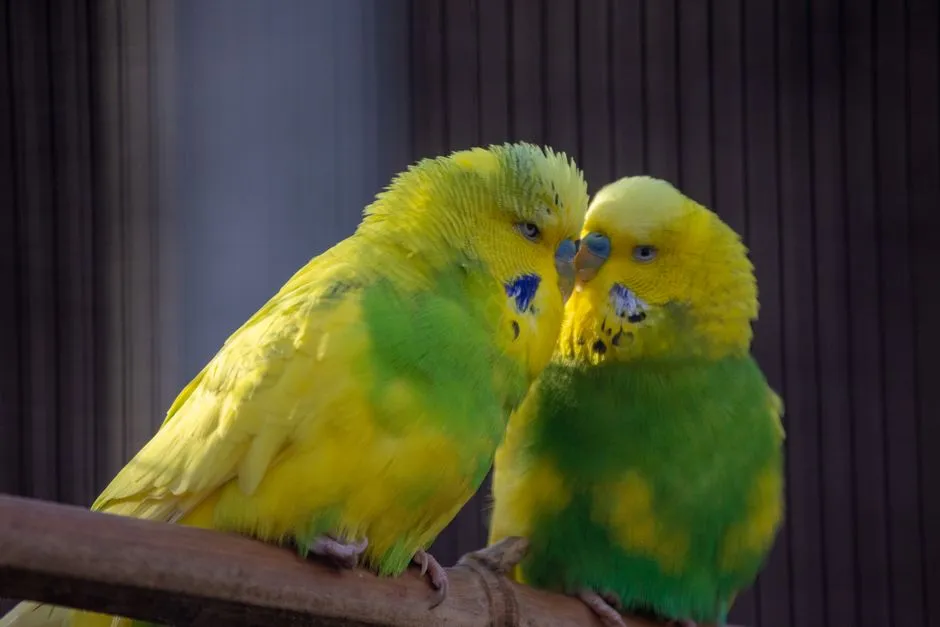
What Are the Quietest Parrots?
The quietest parrots for apartment living are Bourke's parakeets, parrotlets, budgies, cockatiels, Senegal parrots, Pionus parrots, and green-cheeked conures. None of them is silent — every parrot vocalizes daily — but these seven species have soft or moderate voices that rarely carry through walls the way a conure flock call or cockatoo scream does. Ranked from quietest to loudest, Bourke's parakeets and parrotlets top the list, while green-cheeked conures sit at the loud end of "quiet."
That distinction matters. Plenty of people have surrendered a bird because a pet-store employee called it "quiet" and the reality was a daily screaming session at sunrise. This guide ranks the seven species honestly, explains what each one actually sounds like, and covers what makes any parrot louder or quieter than its species average.
Quiet Parrots Compared at a Glance
| Rank | Species | Typical Volume | Sound Character | Lifespan (typical range) |
|---|---|---|---|---|
| 1 | Bourke's parakeet | Very low | Soft twittering, mostly dawn and dusk | 10–15+ years |
| 2 | Parrotlet | Low | Chirps and finch-like chatter | 15–20 years |
| 3 | Budgie (parakeet) | Low–moderate | Constant pleasant chatter | 7–12 years |
| 4 | Cockatiel | Moderate | Whistles, occasional contact calls | 15–25 years |
| 5 | Senegal parrot | Moderate | Whistles, clucks, some squawks | 25–30+ years |
| 6 | Pionus parrot | Moderate | Quiet most of the day, brief loud bursts | 25–40 years |
| 7 | Green-cheeked conure | Moderate–high | Mostly quiet, sharp squawks when excited | 20–30 years |
Volume ratings are relative to other parrots. Even a "very low" bird makes noticeable sound for stretches of the day — if you need total silence, no parrot is the right pet.
The 7 Quietest Parrots, Ranked
1. Bourke's Parakeet — The Quietest Parrot You Can Keep
If noise is your single biggest constraint, the Bourke's parakeet is the best parrot for apartments, full stop. These small Australian grass parakeets produce a soft, melodic twittering concentrated around dawn and dusk, and they spend much of the midday resting quietly. Their voice is closer to a songbird's than to what most people picture when they think "parrot."
The trade-off is temperament: Bourke's are gentle and calm but generally less cuddly and interactive than a cockatiel or conure. They're a wonderful "watch and enjoy" bird, often happiest in pairs, and their pastel-pink coloring is genuinely beautiful. For a keeper who wants a peaceful presence rather than a shoulder companion, they're hard to beat.
Apartment verdict: Essentially zero noise risk. Neighbors will never know it's there.
2. Parrotlet — Big Personality, Tiny Voice
So, are parrotlets loud? No — parrotlets are one of the quietest true parrots. Their chirps and chattering are high-pitched but low in volume, and the sound doesn't penetrate walls or floors. What a parrotlet lacks in volume, it makes up for in attitude: these are famously bold, feisty birds who genuinely believe they're macaws.
That personality is the real consideration. A parrotlet needs consistent handling to stay tame, and an under-socialized one can become nippy. Kept engaged, though, a parrotlet delivers full parrot charisma in a package your neighbors will never hear. Some males even learn a few words in a tiny, whispery voice.
Apartment verdict: Excellent. The noise is negligible; the commitment to daily interaction is not.
3. Budgie — The Classic Quiet Companion
Budgies chatter almost constantly, but at a volume most people find pleasant rather than intrusive — a background stream of chirps, trills, and mumbled almost-words. It's the difference between a coworker who hums quietly and one who plays music on speakerphone. Through an apartment wall, a single budgie is effectively inaudible.
Budgies are also affordable, widely available, and among the best talkers in the bird world relative to their size — some males build vocabularies of dozens of words, delivered in a fast, gravelly murmur. They routinely appear on lists of the best parrots for beginners for good reason.
One honest note: two or more budgies multiply the chatter. It stays pleasant, but it becomes an all-day soundtrack.
Apartment verdict: Excellent for one or two birds. A large flock gets surprisingly loud in aggregate.
4. Cockatiel — Whistles, Not Screams
Cockatiels are the most popular medium-small companion parrot, and their voice is a big part of why. Instead of screaming, they whistle — and many learn full melodies. Their everyday sounds are moderate in volume and generally easy to live with.
The caveat is the contact call: a repeated, insistent whistle when a cockatiel wants to know where its person went. It's shriller than anything a budgie produces and can carry through a thin wall if the bird keeps it up. The fix is behavioral, not architectural — answer with a calm whistle from the other room, and reward quiet moments so the bird learns that calm sounds bring you back. Our guide to why parrots scream covers the same principles that keep a cockatiel's contact calling in check.
Apartment verdict: Very good. Occasional contact-call sessions are the only realistic noise risk.
5. Senegal Parrot — The Quiet Mid-Size Option
Stepping up to "real parrot" size and intelligence, the Senegal is the standout for noise-sensitive homes. Where similarly sized conures and caiques can rattle windows, Senegals mostly whistle, cluck, and chatter softly, with only occasional squawks. For someone who wants a bird that steps up, plays hard, learns tricks, and bonds deeply — without conure volume — the Senegal fills that slot better than almost anything.
Two things to plan for: Senegals can become strongly bonded to one person and standoffish with everyone else, and their typical lifespan of 25–30+ years is a serious commitment. Factor in what that means over decades of ownership — our breakdown of how much a parrot costs puts real numbers on it.
Apartment verdict: Very good. The quietest choice among mid-size parrots.
6. Pionus Parrot — The Underrated Gentleman
Pionus parrots (Blue-headed, Maximilian's, White-capped, and others) are the sleeper pick on this list. These stocky, mid-size South American parrots are famously mellow: they spend most of the day quietly observing, playing independently, and muttering to themselves. They're less prone to the drama, jealousy, and one-person aggression seen in some other mid-size species.
Why rank them below the Senegal? Volume ceiling. A Pionus's excited or alarmed call is a rapid, piercing burst that's genuinely loud while it lasts. These bursts are typically brief — seconds, not hours — but they're sharp enough to notice through a shared wall. Day-to-day, though, a Pionus is one of the calmest, quietest companions in its size class.
Apartment verdict: Good. Quiet 95% of the day, with short loud moments.
7. Green-Cheeked Conure — The Only Apartment-Safe Conure
Conures as a family are loud — sun and nanday conures are among the noisiest pet birds, period, and don't belong in an apartment. The green-cheeked conure is the exception. Its everyday sounds are quiet chattering and muttering, far below the volume of its cousins.
It lands at number seven because its excited squawk is sharp and scratchy, and a bored or attention-seeking green-cheek will use it. A well-exercised bird with plenty of foraging toys stays pleasantly quiet; a neglected one develops a squawking habit. In exchange, you get one of the most playful, cuddly, affectionate small parrots available — many owners describe them as puppy-like.
Apartment verdict: Good with an engaged owner. The riskiest pick on this list, and the most affectionate.
Species to Avoid in an Apartment
Just as important as knowing the quietest pet birds is knowing which species are non-starters with shared walls:
- Cockatoos — ear-splitting screams, often daily, that carry through multiple walls and floors
- Sun and nanday conures — piercing flock calls wildly out of proportion to their small size
- Amazons and macaws — powerful voices with loud morning and evening calling sessions
- Indian ringnecks and quakers — moderate most of the time, but their loud calls are shrill and frequent enough to generate complaints
- Lovebirds — small, but their sharp, repetitive chirping runs at high frequency for much of the day
For a full picture of how these species compare on size, temperament, and care needs beyond noise, see our complete guide to parrot types.
What Actually Determines How Loud Your Parrot Will Be
Species sets the ceiling, but three other factors decide where your individual bird lands under it.
Individual variation
Every species has quiet individuals and loud ones. A vocal cockatiel can out-noise a mellow green-cheek. If possible, meet the specific bird before committing — and remember an adoptable adult bird's noise level is already known, which is a real advantage over a baby whose adult voice hasn't developed yet.
Environment and routine
Parrots call loudest when they're bored, ignored, or anxious. Predictable daily routines, 10–12 hours of dark, quiet sleep, foraging toys that occupy the beak, and out-of-cage time every day all lower a bird's baseline volume. Covering the cage at a consistent bedtime also shortens the dawn calling that troubles light-sleeping neighbors.
What you reinforce
Birds repeat whatever gets a reaction. Rush over every time your parrot squawks and you'll train a squawker; consistently reward quiet chatter with attention and treats, and quiet becomes the bird's go-to strategy. Every species on this list stays quiet or gets loud largely based on this one habit.
Quick Reality Check Before You Commit
- No parrot is silent. All seven of these species make audible noise every single day, especially at dawn and dusk — that's normal, healthy behavior.
- Noise is only one factor. Lifespan, mess, daily attention needs, and cost matter just as much when choosing a species.
- Sound carries differently in every building. Concrete muffles what drywall broadcasts. Consider your actual walls, and be honest about your lease's pet rules.
- A quiet species can still become a loud bird if it's bored, lonely, or accidentally trained to scream.
Choose the species whose personality genuinely fits your life, then keep it busy, well-rested, and rewarded for calm sounds. Do that, and any of these seven can share an apartment without a single knock on your door.