Types of Parrots: A Complete Guide to Species, Size, and Care Level
The Parrot Family at a Glance
Parrots are not one kind of bird but a sprawling order (Psittaciformes) of roughly 350 to 400 species, ranging from a palm-sized budgie to a macaw with a four-foot wingspan. For pet keeping, though, only about a dozen groups matter, and they sort cleanly by size, noise, talking ability, lifespan, and how much daily attention they demand. Pick by those traits, not by a pretty photo, and you avoid the single most common mistake new owners make: bringing home a bird whose needs collide with their actual life.
This guide walks through the parrot types kept as pets, smallest to largest, with an honest read on what living with each one is really like. Use it to shortlist a species, then dig into the specifics before you commit.
Quick comparison: popular pet parrot types
The table below is a rule-of-thumb snapshot. Individual birds vary, and lifespans assume good diet and vet care, which most captive parrots sadly do not get.
| Parrot type | Size | Typical lifespan | Noise level | Talking ability | Care level |
|---|---|---|---|---|---|
| Budgerigar (budgie) | Small (7 in) | 5–10 yrs | Low–moderate | Good (soft) | Beginner |
| Cockatiel | Small (12 in) | 15–20 yrs | Low–moderate | Whistles, some words | Beginner |
| Parrotlet | Very small (5 in) | 15–20 yrs | Low–moderate | Limited | Beginner–intermediate |
| Lovebird | Small (6 in) | 10–15 yrs | Moderate | Limited | Beginner–intermediate |
| Parakeet (Indian ringneck) | Medium (16 in) | 20–30 yrs | Moderate–high | Very good | Intermediate |
| Conure | Small–medium (10–20 in) | 15–30 yrs | High | Fair | Intermediate |
| Caique | Medium (9 in) | 25–35 yrs | Moderate–high | Limited | Intermediate |
| Poicephalus (Senegal, etc.) | Medium (9 in) | 25–30 yrs | Low–moderate | Fair | Intermediate |
| Pionus | Medium (11 in) | 25–30 yrs | Low–moderate | Fair | Intermediate |
| Eclectus | Medium–large (14 in) | 30–40 yrs | Moderate | Very good | Intermediate–advanced |
| Amazon | Large (15 in) | 40–60 yrs | High | Excellent | Advanced |
| African grey | Large (13 in) | 40–60 yrs | Moderate | Exceptional | Advanced |
| Cockatoo | Large (13–20 in) | 40–70 yrs | Very high | Fair | Advanced |
| Macaw | Very large (30–40 in) | 50–80 yrs | Very high | Good | Advanced |
Small Parrots: The Beginner Tier
Small parrots are where most people should start. They are affordable, they fit apartments, their noise rarely enrages neighbors, and a mistake in care is more forgiving than it is with a macaw. "Small" here does not mean disposable, though. These are intelligent, social animals that live for years and need daily interaction.
Budgerigar (Budgie)
The budgie is the world's most popular pet bird, and for good reason. At about seven inches and a low, chattery volume, it suits almost any home. Budgies are curious, playful, and — surprisingly to many owners — capable talkers. Some individuals learn dozens of words in a soft, mumbling voice, and a male budgie holds the Guinness record for the largest bird vocabulary.
They are inexpensive to buy and to house, which unfortunately means they are often neglected. A budgie kept alone in a tiny cage on an all-seed diet lives a short, dull life. Given a flight-sized cage, daily out-time or a companion, and a proper diet, budgies are engaging little birds.
Cockatiel
Cockatiels are the gentle, whistly members of the cockatoo family and a perennial best-first-bird pick. They bond hard with their people, learn tunes, and communicate a great deal through their expressive crest. Males tend to whistle and talk more; females are often quieter. Volume is manageable, though a cockatiel's alarm call can be piercing.
Two health notes matter with this species. Cockatiels are prone to producing feather dust, so they can aggravate allergies and sensitive lungs, and hens are prone to chronic egg-laying, which drains calcium. Both are worth discussing with an avian vet.
Cockatiels also earn their reputation as a "gateway" parrot: an owner who learns to read a cockatiel's crest, respect its moods, and keep it on a balanced diet has built most of the skills a bigger parrot will later demand. That transferable experience is a genuine argument for starting here rather than reaching straight for a flashier bird.
Parrotlets and Lovebirds
These are the "big personality, small package" parrots. Parrotlets are barely five inches but bold, sometimes territorial, and need consistent handling to stay tame. Lovebirds are affectionate and active; despite the romantic name, a single lovebird can thrive as a solo pet with enough human attention, and pairs may bond so tightly they ignore people. Both are quieter than a conure but not silent, and both benefit from lots of foraging and toys to burn off their considerable energy.
If you are weighing which of these smaller species fits a first-time home, our roundup of the best parrots for beginners compares them side by side on temperament and difficulty.
Medium Parrots: The Step-Up Tier
Medium parrots ask for more — more space, more noise tolerance, more training savvy — but reward it with bigger personalities and, often, decades of companionship. This is where lifespans start reaching 25 to 35 years, so a bird here is a genuine long-term commitment.
Conures
Conures are the class clowns of the parrot world: acrobatic, cuddly, endlessly entertaining. The catch is volume. Sun conures and other Aratinga species have a shrill contact call that carries through walls, making them a poor fit for shared housing. The quieter Pyrrhura group — green-cheek, maroon-bellied, and their kin — offers much of the conure charm at a fraction of the decibels, which makes green-cheeks a popular apartment-friendly choice.
Caiques, Poicephalus, and Pionus
This trio suits owners who want a substantial parrot without a macaw's footprint.
- Caiques are hyperactive, playful, and famous for "surfing" and hopping; they need heavy enrichment or they get nippy.
- Poicephalus parrots (Senegals, Meyer's, red-bellied) are relatively quiet, independent, and often recommended for people who want a smaller, calmer companion bird.
- Pionus parrots are the understated pick: mellow, quiet, and low-drama, though they can be a touch reserved compared with flashier species.
Indian Ringneck and Eclectus
Indian ringneck parakeets are striking talkers with clear diction, but they go through a "bluffing" adolescent phase that tests inexperienced owners. Eclectus parrots — vivid green males, red-and-purple females — are gentle and articulate, but they are the one species where diet is genuinely make-or-break. Eclectus have a long digestive tract and do poorly on diets heavy in synthetic additives; most keepers feed them a fresh-food-forward diet under avian-vet guidance. Whatever species you choose, grounding its meals in a complete parrot diet guide prevents the nutritional problems that fill avian clinics.
Large Parrots: The Advanced Tier
Large parrots are extraordinary animals and, for most people, the wrong pet. They are loud enough to strain any living situation, strong enough to injure, emotionally complex enough to develop serious behavioral problems when under-stimulated, and long-lived enough to outlast their owners. None of that means "never" — it means "only with experience, space, time, and a plan for the bird's whole life."
African Grey
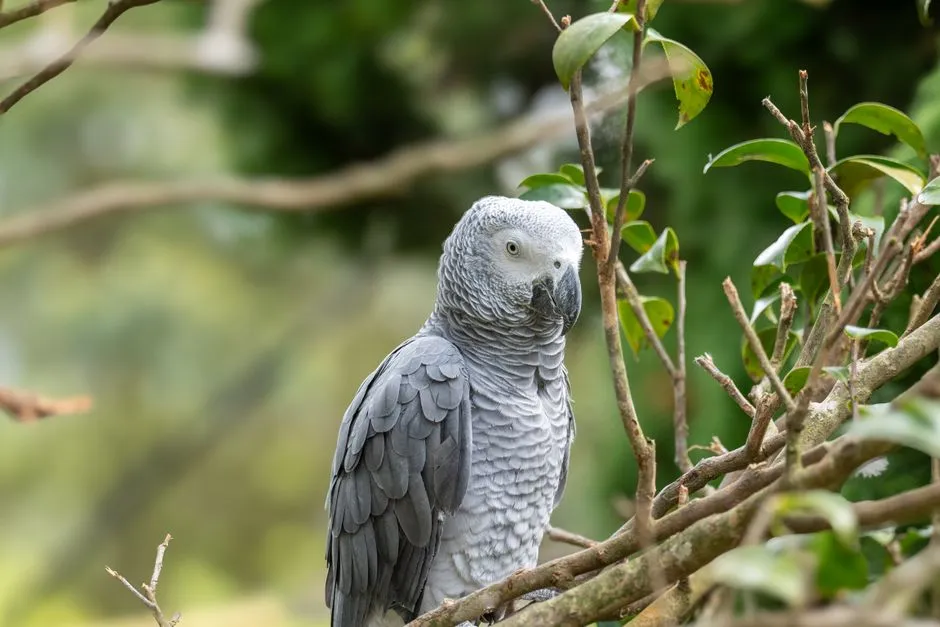
The African grey is the benchmark for parrot intelligence, with cognitive and language abilities that researchers compare to a young child's. Greys do not just mimic; many use words in context. That brilliance is also the difficulty: an under-stimulated grey is prone to anxiety and feather-destructive behavior. They are sensitive, routine-loving birds that need enrichment, stability, and a keeper who is home a lot. Greys are also notoriously sensitive to airborne toxins and dietary calcium balance, so a grey owner has to be meticulous about a bird-safe home and a vet-guided diet.
Amazons and Eclectus
Amazon parrots are bold, boisterous extroverts and some of the best talkers and singers in aviculture. They are also prone to dramatic hormonal seasons, when even a sweet bird can turn territorial, so reading body language is a survival skill for Amazon owners. Their volume is considerable and non-negotiable.
Cockatoos
Cockatoos are the parrots that break the most hearts. They are stunningly affectionate — and that is the trap. A cockatoo craves near-constant contact, and a bird that does not get it commonly develops screaming and feather-plucking that are heartbreaking and hard to reverse. They are among the loudest companion parrots alive. Rescues overflow with rehomed cockatoos for exactly these reasons. They belong only with deeply experienced keepers.
Macaws
Macaws are the giants: spectacular, powerful, and, in the large species, breathtakingly loud. A greenwing or blue-and-gold macaw needs an enormous cage, a bird-safe room, a serious toy budget, and an owner comfortable with a beak that can crack a nut. Smaller "mini-macaws" scale the commitment down somewhat. Across the board, these birds can live 50 to 80 years, so a young adult who buys a macaw should plan for the bird to outlive them and name a caretaker in their will.
How to Choose the Right Parrot Type
Matching a species to your life comes down to a few honest questions. Answer them before you fall for a face.
- How much noise can your home absorb? Attached housing rules out conures, Amazons, cockatoos, and large macaws. Cockatiels, budgies, Poicephalus, and Pionus are far kinder to neighbors.
- How many years can you commit? A budgie is a 5-to-10-year relationship; a macaw or cockatoo is a lifelong — possibly multigenerational — one. Our guide to how long parrots live breaks lifespans down species by species.
- How much daily time do you have? Every parrot needs interaction, but greys, cockatoos, and macaws need hours. A neglected large parrot does not just get sad; it gets sick and self-destructive.
- What is your real budget? Bigger birds mean bigger cages, bigger vet bills, and pricier toys. See how much a parrot costs for upfront and yearly ranges by species; prices vary widely by region and over time.
- How much experience do you have? There is no shame in starting small. A cockatiel owner who masters diet, training, and reading body language is far better prepared for a grey later than someone who leaps straight to the deep end.
A note on where your bird comes from
Wherever you land, source responsibly. Adopting from a reputable rescue or buying from an ethical, health-focused breeder beats an impulse pet-store purchase. Many wonderful parrots — especially cockatoos, Amazons, and conures — are surrendered every year and need experienced homes. A good breeder or rescue will ask you as many questions as you ask them, let you meet the bird, and share its diet and health history. Whenever possible, budget for a wellness exam with an avian vet shortly after you bring any new parrot home, so you start the relationship with a clear baseline rather than a hidden problem.
When Any Parrot Needs a Vet
Species differ enormously, but one rule is universal: birds hide illness until they are seriously unwell. Because parrots are prey animals, a bird that looks "a little off" may already be quite sick. Learn to spot the early warning signs across every species:
- Sitting fluffed or puffed up for long stretches
- Tail-bobbing or labored, open-mouth breathing
- Loss of appetite or noticeable weight loss
- Changes in droppings (color, consistency, or volume)
- Lethargy, sleeping excessively, or sitting on the cage floor
Any of these warrants prompt examination by an avian or exotics veterinarian, not a wait-and-see. This guide is general education about the types of parrots and their care — it does not replace a hands-on exam, diagnosis, or treatment from a qualified professional. When something seems wrong, an avian vet is always the right call, and acting early is what saves birds.
Choosing well is the first act of good care. Match the parrot type to your noise tolerance, time, budget, and experience, and you set the foundation for a relationship that can last decades.