Conure vs Cockatiel: Which First Bird Fits Your Home?
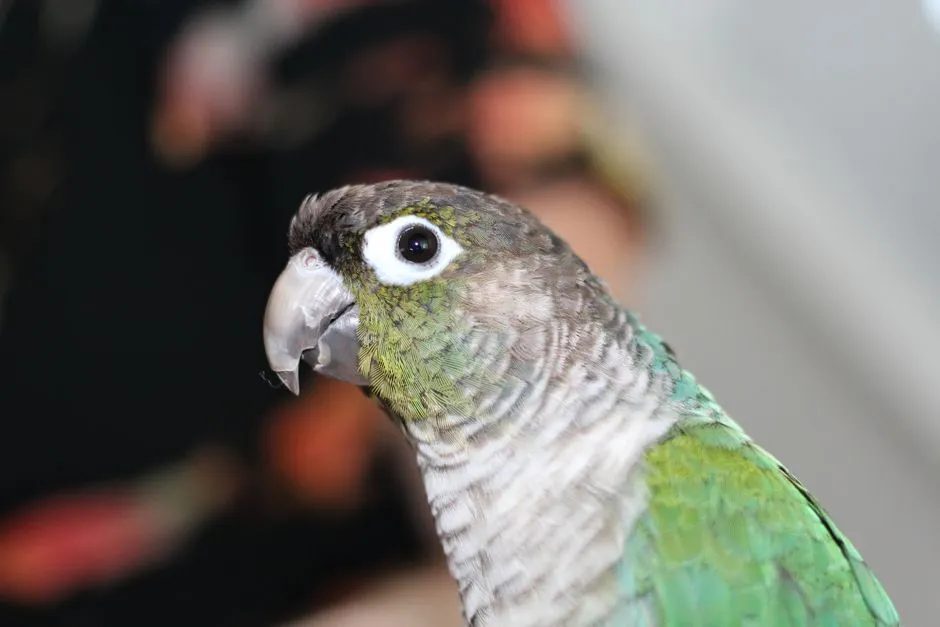
- Conure vs Cockatiel: The Short Answer
- Conure vs Cockatiel at a Glance
- Noise: Are Conures Louder Than Cockatiels?
- Temperament: Which Is Friendlier, a Conure or a Cockatiel?
- Lifespan: A 20-Year Decision Either Way
- Cost: What You'll Actually Spend
- Housing: Cage Size and Bar Spacing
- Daily Care and Time Commitment
- Which Should You Choose?
- The Final Word
Conure vs Cockatiel: The Short Answer
For most first-time bird owners, a cockatiel is the easier choice: it is quieter, gentler, cheaper to keep, and more forgiving of a beginner's mistakes. A conure suits homes that want a bolder, more playful, more cuddly parrot and can absorb noticeably more noise and daily attention. Both are small parrots with lifespans that commonly reach 15 to 25 years with good care, so neither is a short-term commitment.
That is the honest one-paragraph version. The rest of this guide unpacks where the two really differ — volume, temperament, cost, cage needs, and time demands — so you can match the bird to your actual home, not the home you wish you had.
Conure vs Cockatiel at a Glance
| Factor | Cockatiel | Conure (green-cheek / sun and similar) |
|---|---|---|
| Size | About 12–13 in (30–33 cm), mostly tail | Roughly 10–12 in (26–30 cm), stockier body |
| Typical lifespan | 15–25 years with good care | 15–30 years depending on species |
| Noise level | Moderate; whistles and contact calls | Green-cheeks moderate; sun/nanday conures very loud |
| Apartment-friendly? | Usually yes | Green-cheek: often. Sun conure: rarely |
| Temperament | Gentle, mellow, likes head scratches | Bold, playful, clingy, loves rough-and-tumble play |
| Talking ability | Limited words; excellent whistlers | Limited; a few words in a raspy voice |
| Bite pressure | Mild | Noticeably harder, especially in adolescence |
| Daily attention needed | 1–2+ hours out-of-cage and social time | 2–3+ hours; conures sulk and act out when ignored |
| Typical purchase price | Often around $80–$250 | Often around $200–$800 depending on species |
| Mess and dust | Powder-down dust; light chewing | Less dust; more shredding and chewing |
Every bird is an individual, and a hand-raised, well-socialized example of either species will beat a neglected example of the "easier" one. But the pattern above holds often enough to plan around.
Noise: Are Conures Louder Than Cockatiels?
Yes — as a group, conures are louder than cockatiels, and for some conure species it is not close.
- Cockatiels communicate in whistles, chirps, and a repeating contact call. Males especially will whistle tunes for long stretches. The sound is real, but it is generally the volume of a loud songbird, not an alarm. Most neighbors through a shared wall never know a cockatiel lives next door.
- Green-cheek conures are the quiet outliers of the conure family. Their chatter is raspy and frequent, but the volume is modest — many apartment dwellers keep them successfully.
- Sun, jenday, and nanday conures are among the loudest birds of their size in aviculture. Their flock calls are piercing, they repeat them, and they deliver them at sunrise, at sunset, and any time you leave the room. In an apartment or a home with thin walls, a sun conure is a genuine risk to your lease and your relationships.
A fair summary: if noise tolerance is your limiting factor, the ranking from quietest to loudest is cockatiel → green-cheek conure → sun/jenday/nanday conure. No parrot is silent, and no training will make a sun conure quiet. Choose the species whose normal voice you can live with on its worst day.
The contact-call reality
Both species make a "where are you?" call when their person leaves sight. With a cockatiel it is a persistent whistle. With a conure it can be a shriek. You can reduce contact-calling by answering with a calm word from the other room and by rewarding quiet moments, but you cannot eliminate it. It is flock biology, not bad behavior.
Temperament: Which Is Friendlier, a Conure or a Cockatiel?
This is where the comparison stops being one-sided, because "friendlier" means two different things.
Cockatiels: gentle and low-drama
A well-socialized cockatiel is calm, tolerant, and undemanding by parrot standards. Typical cockatiel affection looks like sitting on your shoulder while you work, lowering its head for crest scratches, and whistling at you. Bites are rare and rarely break skin. Cockatiels also tend to tolerate a normal work schedule better than most parrots, especially with a mirror-free, toy-rich cage and a predictable routine.
The trade-off: cockatiels are not usually "velcro birds." Many dislike full-body handling and prefer to perch near you rather than burrow into your collar.
Conures: intense, cuddly, and demanding
Conures — especially green-cheeks — are famous for being physically affectionate in a way cockatiels usually are not. Many will flip onto their backs in your hand, snuggle under a sleeve, wrestle with a toy you wiggle, and dance for attention. If you want a small parrot that acts like a big-parrot companion, the conure wins.
The cost of that intensity:
- Harder bites. A hormonal or startled green-cheek can draw blood. This is normal adolescent conure behavior and it is trainable, but a beginner needs to respond calmly instead of flinching or punishing. Our guide on the best parrots for beginners covers which species forgive those early handling mistakes.
- Jealousy and one-person bonding. Conures often pick a favorite human and may nip others.
- Attention hunger. A conure left under-stimulated will scream, chew, or pluck sooner than a cockatiel in the same situation.
Bottom line: the cockatiel is friendlier in the sense of easier and gentler; the conure is friendlier in the sense of more interactive and more bonded. Decide which definition matches what you actually want from a pet.
Lifespan: A 20-Year Decision Either Way
- Cockatiels commonly live 15–25 years with a good diet and vet care; well-kept birds sometimes exceed that.
- Green-cheek conures typically live 15–25 years in similar conditions.
- Larger conures such as suns and blue-crowns often reach 20–30 years.
Two honest caveats. First, averages are dragged down by preventable problems — all-seed diets, no vet care, household hazards — so the ranges above assume you do the basics right. Second, these are ranges, not guarantees; individual birds vary widely.
The planning takeaway is the same for both species: this bird may be with you through multiple moves, jobs, and life stages. If a 20-year horizon feels impossible, consider adopting an adult bird, whose personality is already known and whose remaining commitment is shorter.
Cost: What You'll Actually Spend
Neither bird is expensive by parrot standards, but conures cost more at every step.
- Purchase price: cockatiels are widely bred and often sell for well under $250. Green-cheek conures usually cost a few hundred dollars, and sun conures often more, with price varying by mutation and hand-feeding.
- Cage and setup: broadly similar — both need a quality cage, perches, and toys. Budget a few hundred dollars for a proper first setup either way.
- Ongoing costs: conures chew harder and destroy toys faster, so expect a higher toy budget. Food, pellets, and fresh produce costs are similar. Annual avian-vet checkups apply to both, and an emergency fund matters for both, because exotic-vet bills add up quickly.
For real numbers across species and a first-year budget worksheet, see how much a parrot costs.
Housing: Cage Size and Bar Spacing
Both species need more room than pet-store "cockatiel cages" suggest, and both need daily out-of-cage time regardless of cage size.
- Cockatiel: a common recommended minimum is around 24 x 18 x 24 inches for a single bird, with 1/2 to 5/8 inch bar spacing. Cockatiels have long tails and love horizontal flight, so width matters more than height.
- Conure: aim for at least 24 x 24 inches of footprint — larger for sun-sized conures — with 1/2 to 3/4 inch bar spacing. Conures are acrobats and use every inch, so climbing space and swing-friendly hardware earn their keep.
In both cases, buy the biggest cage your space and budget allow; no bird has ever complained about extra room. Full measurements, bar-spacing tables, and placement advice are in our guide to parrot cage sizing by species.
One safety note that outranks everything else in this section: PTFE/Teflon and other nonstick coatings release fumes when overheated that can kill a bird in minutes, sometimes rooms away from the kitchen. Whichever species you choose, plan to remove nonstick cookware or keep the bird permanently out of air shared with it. Also keep avocado, chocolate, caffeine, and alcohol completely away from either bird — all are toxic to parrots.
Daily Care and Time Commitment
| Daily task | Cockatiel | Conure |
|---|---|---|
| Out-of-cage time | 1–2+ hours | 2–3+ hours |
| Fresh food prep | Yes, daily | Yes, daily |
| Social interaction | Moderate; happy to coexist nearby | High; wants active engagement |
| Toy rotation/foraging | Helpful | Essential |
Both eat the same basic diet: a quality pellet base, daily vegetables, limited fruit, and seeds as treats rather than the main course. Both need overnight quiet and roughly 10–12 hours of dark sleep.
The difference is engagement. A cockatiel is content to hang out in the same room while you live your life. A conure wants to be in your life — on you, with you, involved. If your evenings are already full, that difference decides the question.
Which Should You Choose?
Choose a cockatiel if:
- You live in an apartment or share walls
- This is your first bird and you want a forgiving learning curve
- You prefer a calm companion to an intense one
- Your household includes young children or you're away most workdays
Choose a conure (start with a green-cheek) if:
- You want a cuddly, playful, big-personality bird in a small body
- You can offer several hours of genuine interaction daily
- You can stay calm through an adolescent nippy phase
- Moderate raspy chatter won't bother anyone
Choose neither — yet — if you can't commit to 15+ years, daily fresh food, and avian-vet care. There's no shame in that conclusion; it's the responsible one, and it's better reached before a bird comes home.
If you're still weighing options, our complete guide to parrot types compares budgies, lovebirds, pionus, and other beginner-realistic species on the same noise, lifespan, and care axes used here.
The Final Word
The conure vs cockatiel question usually answers itself once you're honest about two things: how much noise your home can absorb, and how much of yourself you want to give a bird every day. Cockatiels ask less and give a gentler, quieter companionship. Conures ask more and repay it with an intensity of affection few small parrots match. Pick the bird whose needs fit your life — the love part works out with either one.